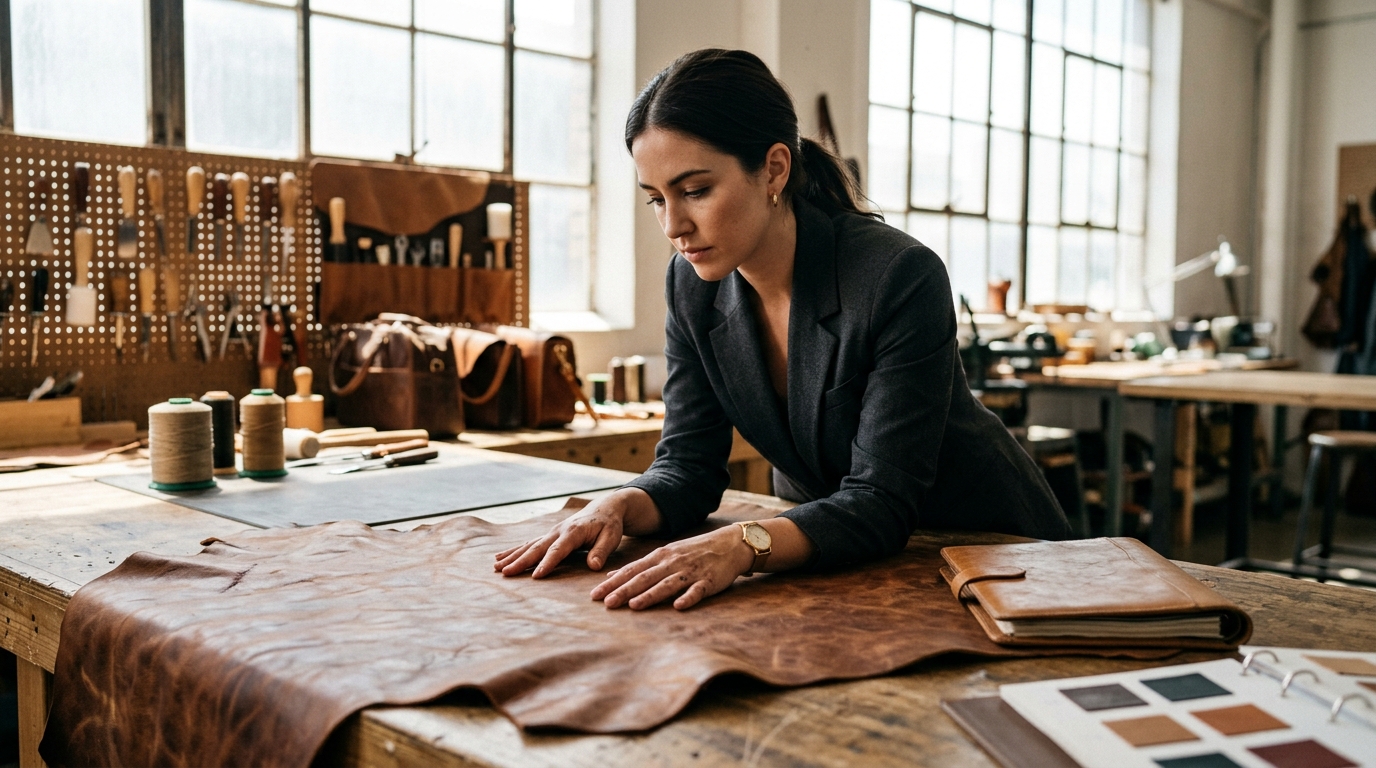
When investing in premium leather goods, the material composition dictates the lifespan and character of the product. Full-grain leather is the highest quality leather available, retaining the original grain structure and natural imperfections of the hide. In contrast, bonded leather is a composite material made from shredded leather scraps bound together with polyurethane or latex. The distinction is not merely semantic; it represents a fundamental difference in durability, aging potential, and long-term value. Understanding this divide is critical for professionals who view their accessories as tools of credibility rather than disposable fashion items.
What Is Full-Grain Leather?
Full-grain leather represents the pinnacle of material integrity. It is derived from the top layer of the hide, which contains the tightest fiber structure and the highest density of collagen. Because it is not sanded or buffed to remove natural markings, it retains the hide's original strength and breathability. This structural integrity allows the material to develop a rich patina over time, a characteristic that is highly prized in heritage craftsmanship.
At USA Heritage Craft, we adhere to a strict policy of using only full-grain leather. Our commitment ensures that every bag, from the Shield Maiden to the Lincoln Brief, is built to withstand decades of rigorous use. The natural grain provides a unique texture and visual depth that synthetic alternatives cannot replicate. This is not just a bag; it is a generational asset designed to age gracefully alongside its owner.
What Is Bonded Leather?
Bonded leather is often marketed as a sustainable or affordable alternative, but it is fundamentally different from genuine leather. It is created by taking leather scraps and fibers, grinding them into a pulp, and then bonding them with chemical adhesives such as polyurethane or latex. This mixture is then rolled out into sheets and embossed with a leather-like grain pattern.
While bonded leather may look like genuine leather initially, it lacks the structural continuity of a single hide. According to industry standards for material durability, bonded leather typically begins to peel, crack, or flake within two to three years of regular use. This degradation occurs because the surface layer is essentially a plastic coating rather than natural hide. For professionals seeking reliability, this material poses a significant risk of unexpected failure during critical moments.
Durability and Aging: The Patina Factor
The most significant differentiator between these two materials is how they age. Full-grain leather is renowned for its ability to develop a patina. This is a gradual darkening and softening of the surface that occurs through exposure to sunlight, oils, and handling. Patina is the hallmark of quality leather goods, signaling a history of use and care.
Conversely, bonded leather does not patina. Instead, it deteriorates. As the adhesive bonds weaken and the surface coating wears away, the material flakes off, revealing the fibrous base underneath. This process is irreversible and often results in a ragged appearance that undermines the professional image of the user. In high-stakes environments, such as a boardroom presentation or a client meeting, the condition of your bag speaks volumes about your attention to detail.
Cost Analysis: Upfront Price vs. Long-Term Value
When comparing costs, the initial price tag of full-grain leather is significantly higher than that of bonded leather. However, this comparison is misleading without considering the cost per use. A bonded leather bag may cost $50 to $100 initially but may need replacement after three years. A full-grain leather bag, such as the Madison Carryall, may cost $529 but can last for decades with proper care.
| Feature | Full-Grain Leather | Bonded Leather |
|---|---|---|
| Material Source | Top layer of the hide | Shredded scraps + adhesives |
| Durability | Decades of use | 2-3 years typically |
| Aging | Develops patina | Peels and cracks |
| Repairability | Highly repairable | Not repairable |
| Environmental Impact | Biodegradable (tanned) | Non-biodegradable plastics |
The Heritage Craft Promise emphasizes that we do not just sell leather goods; we deliver generational quality. By choosing full-grain, you are investing in a product that retains its value and utility far beyond the typical lifecycle of bonded alternatives. This is particularly relevant for professionals who rely on their equipment to project competence and stability.
Maintenance and Care Requirements
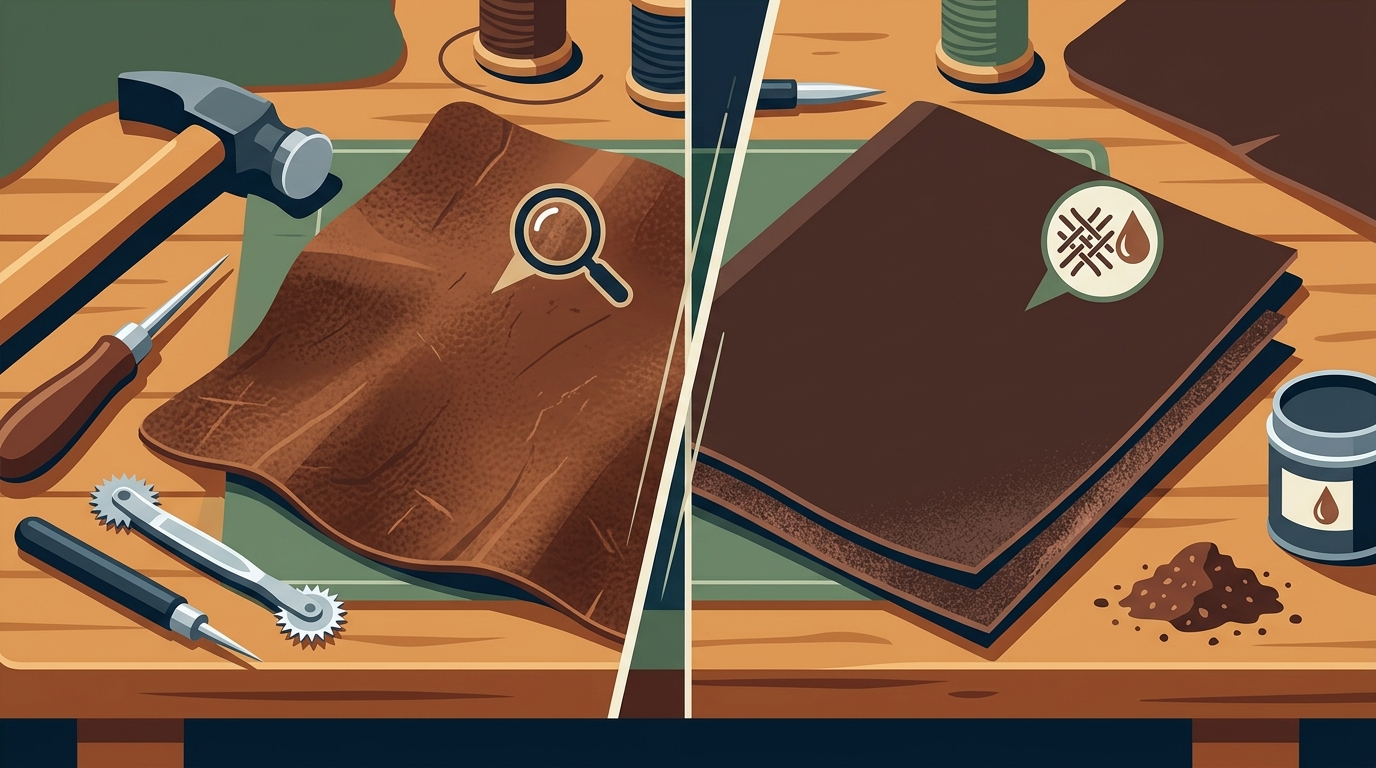
Caring for full-grain leather is straightforward but requires consistency. Unlike bonded leather, which cannot be effectively restored once damaged, full-grain leather responds beautifully to conditioning. Regular application of a high-quality leather conditioner keeps the fibers supple and prevents drying or cracking. USA Heritage Craft offers specialized leather care products designed to maintain the integrity of our full-grain hides.
Key maintenance steps include:
- Clean Regularly: Wipe down with a dry cloth to remove dust and dirt.
- Condition Quarterly: Apply conditioner to replenish natural oils.
- Protect from Water: Use a waterproofing spray designed for full-grain leather.
- Store Properly: Keep in a cool, dry place away from direct sunlight.
Bonded leather offers no such benefits. Once the surface coating is compromised, no amount of conditioning will restore it. This lack of maintainability is a critical factor in the total cost of ownership.
Frequently Asked Questions
Is full-grain leather better than genuine leather?
Yes. Full-grain leather is the highest quality tier. "Genuine leather" is often a marketing term for lower-grade leather that has been heavily processed to remove imperfections, whereas full-grain retains the natural strength and character of the hide.
Can bonded leather be repaired?
No. Because bonded leather is a composite of shredded fibers and plastic adhesives, it cannot be stitched or glued back together effectively. Once it begins to peel, the item must be replaced.
Does full-grain leather scratch easily?
Full-grain leather is durable but can show surface scratches. However, these scratches are part of the patina development process and often blend in over time, adding to the bag's character rather than detracting from it.
Why is full-grain leather more expensive?
The cost reflects the raw material quality and the labor-intensive craftsmanship required to preserve the natural grain. Fewer hides are suitable for full-grain use, and the manufacturing process is slower and more meticulous.
Is bonded leather environmentally friendly?
While it uses some leather scraps, bonded leather is heavily reliant on polyurethane and latex, which are petroleum-based plastics. It is not biodegradable and contributes to microplastic pollution as it degrades.
How long does full-grain leather last?
With proper care, full-grain leather can last for decades, often outliving its owner. It is considered an heirloom-quality material that improves with age.
What is the difference between top-grain and full-grain leather?
Top-grain leather has been sanded to remove natural imperfections, making it softer but less durable than full-grain. Full-grain retains the original grain structure, offering superior strength and patina development.
Invest in Your Professional Legacy
Your accessories are an extension of your professional identity. Choosing between full-grain and bonded leather is a choice between temporary convenience and enduring quality. At USA Heritage Craft, we stand behind our commitment to excellence. Explore our collections to find the full-grain leather goods that match your ambition and discipline. Shop the collection today and experience the difference that true craftsmanship makes.