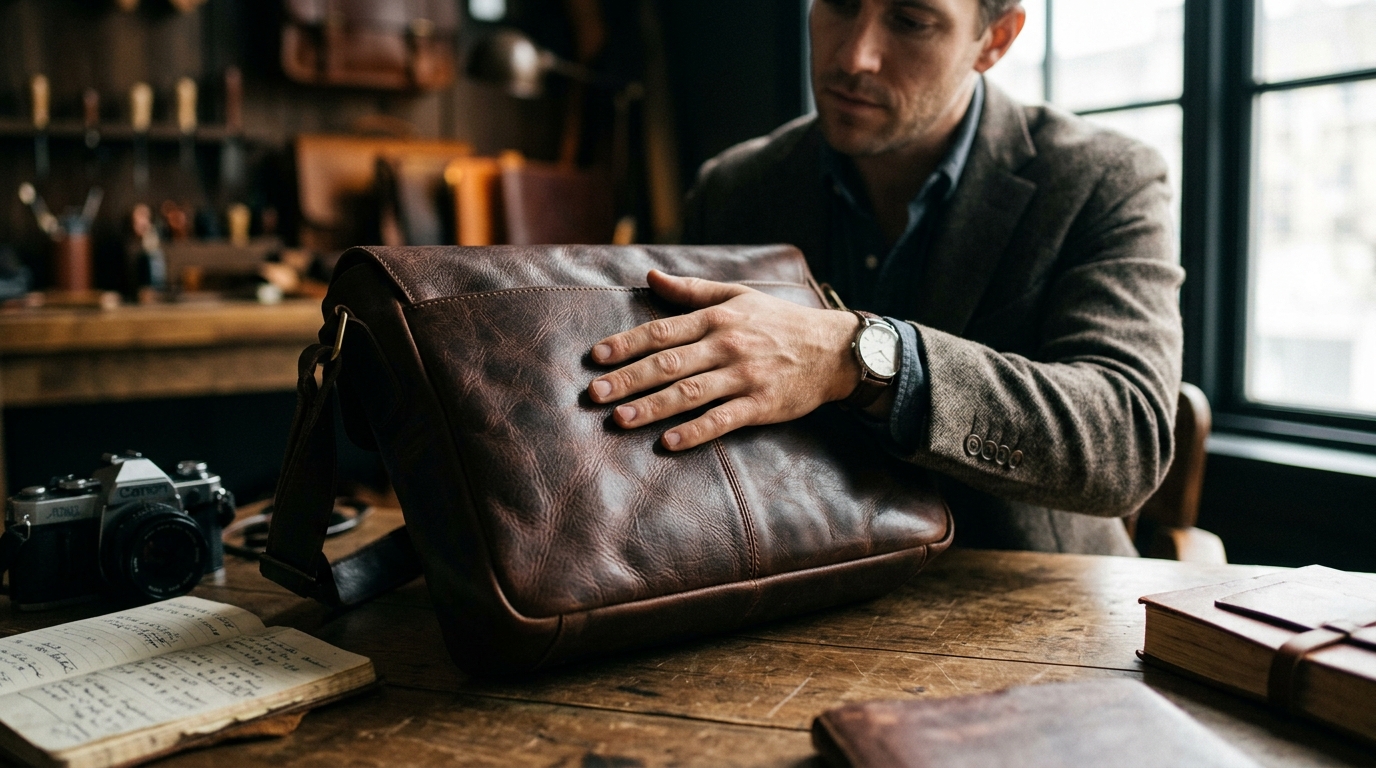
Investing in premium leather is a decision that impacts your daily professional image and long-term value. According to recent market analysis, the global leather goods market is projected to reach $480 billion by 2026, driven largely by consumer demand for durable, sustainable, and heirloom-quality items rather than disposable fast fashion. Understanding the difference between genuine leather and premium full-grain leather is the first step in making a smart investment. This guide provides the technical knowledge needed to evaluate craftsmanship, material integrity, and brand heritage before you commit to a purchase.
Understanding Material Integrity: Full-Grain vs. Genuine
The most critical factor in determining leather quality is the grade of the hide used. Many consumers are misled by terms like "genuine leather," which often indicates a lower-tier product. To ensure you are buying a product that will last decades, you must understand the hierarchy of leather grades.
What is Full-Grain Leather?
Full-grain leather is the highest quality leather available. It is made from the top layer of the hide, which contains the tightest fiber structure and natural grain patterns. This type of leather is not sanded or buffed to remove natural imperfections, allowing it to develop a rich patina over time. Because it retains the full strength of the hide, it is significantly more durable than corrected or bonded leathers.
What is Genuine Leather?
Genuine leather is a marketing term that simply means the product contains real leather, but it does not specify the grade. In many cases, it refers to split leather or corrected leather that has been heavily processed, coated with polyurethane, and stamped with an artificial grain. While it may look uniform initially, it lacks the breathability and longevity of full-grain options. It tends to crack and peel as the synthetic coating wears away.
At USA Heritage Craft, we exclusively use full-grain American leather. This commitment ensures that every bag, from our Featured Collection, maintains structural integrity and aesthetic depth. We source our hides from cattle raised for meat production, transforming recycled hides into heirloom-quality goods instead of waste. This ethical sourcing not only supports sustainability but also guarantees a consistent, high-density fiber structure.
Craftsmanship Standards: Stitching and Hardware
Even the finest leather can fail if the construction is poor. High-quality leather goods are defined by their internal and external construction methods. When evaluating a product, look for specific indicators of artisanal skill.
Stitching Density and Thread Type
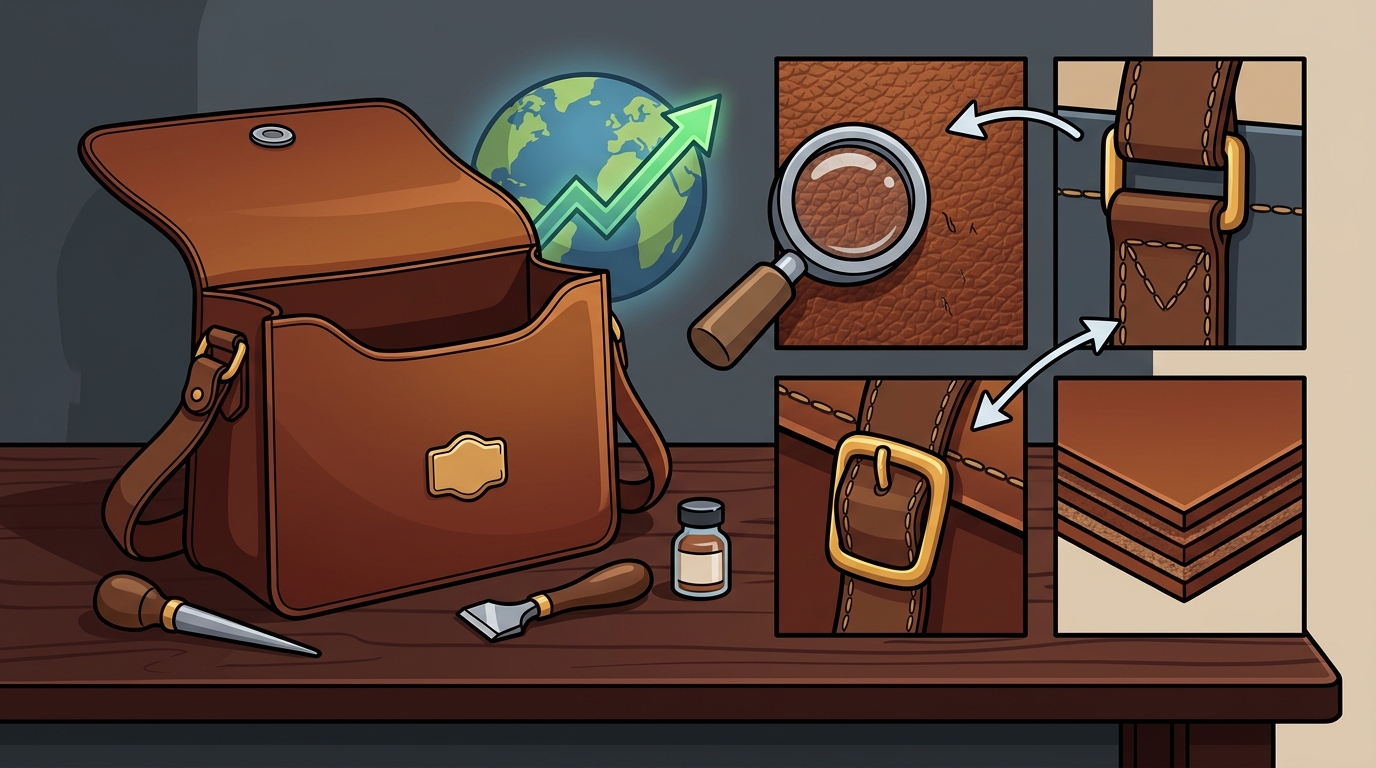
Inspect the stitching closely. High-quality bags feature even, consistent stitches with no loose threads. The thread used should be waxed polyester or nylon, which is stronger and more resistant to abrasion than standard cotton thread. In premium construction, you will often see saddle stitching, a technique where two needles are used to create interlocking loops that are nearly impossible to unravel. This method is labor-intensive but provides superior durability compared to machine lockstitching.
Hardware Durability
Hardware includes zippers, buckles, clasps, and rivets. In a quality product, hardware is made from solid brass, stainless steel, or high-grade aluminum, not lightweight plastic or thin zinc alloy. It should feel substantial in your hand and operate smoothly without catching. The attachment points for straps and handles must be reinforced with rivets or double-stitching to bear the weight of daily use.
Our collections are built with hardware that is machined, not stamped. This distinction is vital because machined hardware maintains its structural integrity under stress, whereas stamped hardware can bend or break under the weight of a laptop or documents. We believe that the people evaluating you are looking at all of them, including the details of your gear.
The Role of Aging and Patina in Quality
One of the defining characteristics of premium leather is its ability to age gracefully. This process is known as developing a patina. A patina is a subtle change in color and texture that occurs as the leather is exposed to light, air, and oils from your hands. It adds depth and character to the item, making it unique to the owner.
Why Patina Matters
Lower-quality leathers, particularly those with heavy synthetic coatings, do not develop a patina. Instead, they crack, fade, or peel. When the coating wears off, the underlying material is often damaged beyond repair. In contrast, full-grain leather absorbs oils and conditions naturally, becoming softer and more supple with age while retaining its strength.
Our craftsmanship philosophy is built on the belief that every scratch tells your story. We design our bags to age beautifully, ensuring that the item you carry today will look even better in ten years. This is the antithesis of fast fashion, where items are designed to be discarded after a single season.
Evaluating Brand Heritage and Manufacturing Origins
The origin of a leather product is a strong indicator of its quality. Brands that manufacture in the USA often adhere to stricter labor and environmental regulations, resulting in higher standards of production. Additionally, American artisans have a long history of mastering traditional leatherworking techniques that are rarely found in mass-produced goods.
The Value of American Manufacturing
Manufacturing in the USA allows for greater oversight of the production process. It ensures that ethical labor practices are followed and that materials are sourced responsibly. Furthermore, it supports local economies and preserves traditional crafts. USA Heritage Craft was founded on the belief that the things you carry should reflect the discipline it took to get where you are. We source bags from the best American artisans that have been creating for generations since before your grandparents were born.
Transparency and Guarantees
Reputable brands are transparent about their materials and manufacturing processes. They offer clear guarantees on their products, such as a lifetime craftsmanship guarantee. This confidence in their product is a sign of quality. If a brand cannot explain where their leather comes from or how it is tanned, it is likely a red flag.
We don’t just sell leather goods. We deliver generational quality backed by unmatched guarantees. Our About page details our core values of quality, heritage, and community. We honor American traditions and the artisans who keep them alive. Our products celebrate the rich history of American craftsmanship.
Quality Comparison: USA Heritage Craft vs. Standard Market
To help you make an informed decision, here is a comparison of the key attributes of premium leather goods versus standard market offerings.
| Feature | Premium Leather (e.g., USA Heritage Craft) | Standard Market Leather |
|---|---|---|
| Leather Grade | Full-Grain American Leather | Genuine, Split, or Bonded Leather |
| Construction | Hand-stitched, Reinforced Rivets | Machine Lockstitch, Glued Seams |
| Hardware | Machined Solid Brass or Steel | Stamped Zinc Alloy or Plastic |
| Aging | Develops Rich Patina | Cracks, Peels, or Fades |
| Origin | USA Made by Artisans | Mass-Produced Overseas |
| Warranty | Lifetime Craftsmanship Guarantee | Limited or No Warranty |
Key Takeaways
- Material Matters: Always choose full-grain leather for durability and the ability to develop a patina.
- Inspect Stitching: Look for even, tight stitches and waxed thread for long-term integrity.
- Hardware Quality: Solid metal hardware indicates a higher standard of construction than stamped or plastic alternatives.
- Brand Heritage: Brands with a history of American manufacturing often uphold stricter quality controls.
- Guarantees: A lifetime craftsmanship guarantee is a strong indicator of confidence in product quality.
- Ethical Sourcing: Premium leather often comes from recycled hides, supporting sustainable practices.
- Investment Value: High-quality leather goods last decades, offering a lower cost-per-use over time.
Frequently Asked Questions
What is the difference between full-grain and genuine leather?
Full-grain leather is the highest quality grade, retaining the natural grain and strength of the hide. Genuine leather is a broader term that can include lower-grade splits or corrected leathers that are heavily processed.
How can I tell if leather is high quality?
High-quality leather feels supple yet firm, has a natural smell, and shows natural imperfections. It should also have consistent stitching and durable hardware.
Does full-grain leather scratch easily?
Full-grain leather can scratch, but these marks often blend into the patina over time, adding character. It is more resistant to tearing and wear than corrected leather.
Why is USA Heritage Craft leather more expensive?
Our leather is more expensive because it is full-grain, sourced from ethical suppliers, and crafted by American artisans using time-intensive techniques that ensure longevity.
Can I repair a leather bag if it gets damaged?
Yes, high-quality leather bags can often be repaired. USA Heritage Craft offers a lifetime craftsmanship guarantee to fix or replace items.
What is a patina?
A patina is the gradual change in color and texture of leather as it ages and is exposed to use, resulting in a unique, rich appearance.
Are your products made in the USA?
Yes, our products are made in the USA by artisans who have spent decades perfecting their craft.
How do I care for my leather goods?
Regular cleaning with a damp cloth and occasional conditioning with a leather-specific product will help maintain the quality and appearance of your bag.
Explore Our Collection
Don't settle for bags that fall apart after one season. Experience the difference of timeless leather goods made to last decades. Shop our collections today and discover the craftsmanship you can feel. Whether you need a briefcase, a backpack, or a duffel, we have the perfect piece for your professional journey.