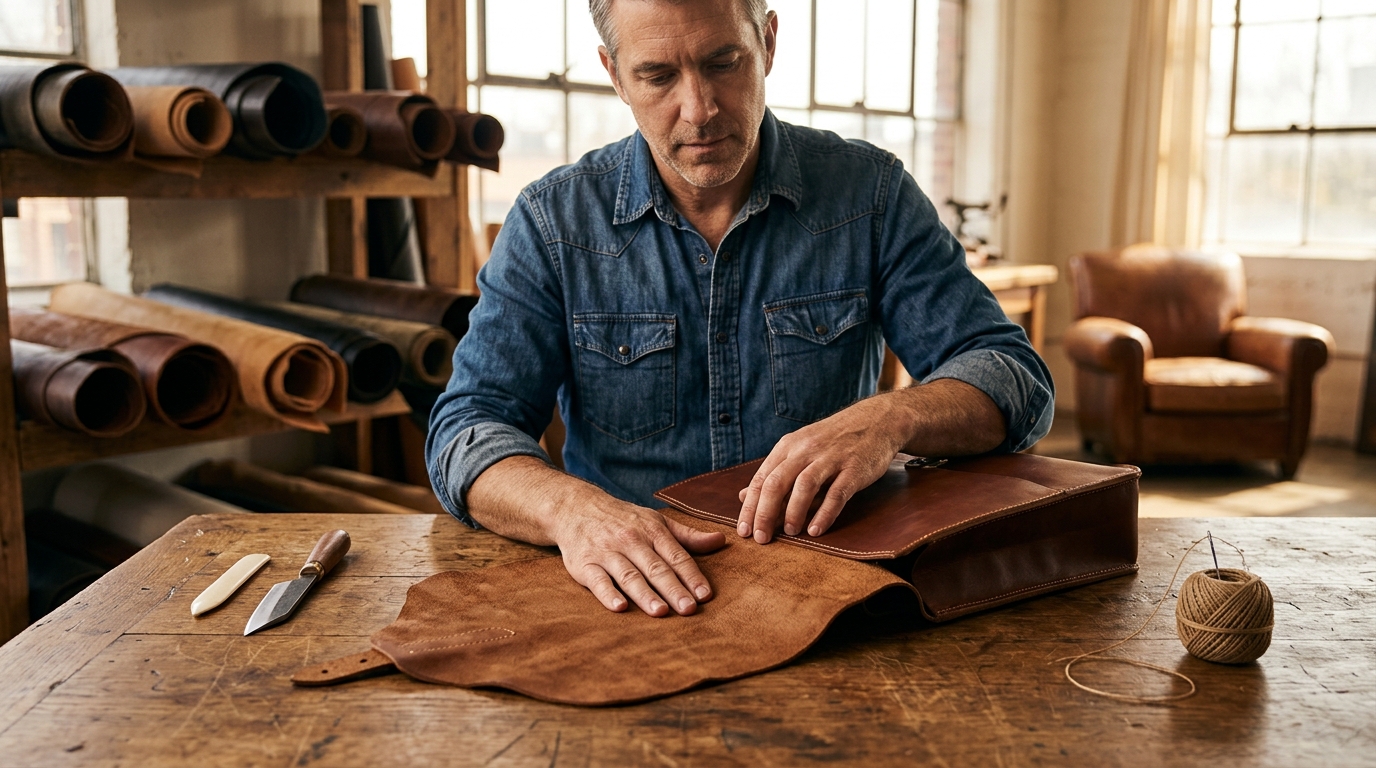
Research indicates that the global leather goods market is projected to reach $250 billion by 2026, driven largely by a consumer shift toward durable, sustainable investments rather than disposable fashion. According to industry analysts, the primary differentiator between a fleeting trend and a generational heirloom is the specific grade of hide and the construction methodology employed during manufacturing. Understanding these technical distinctions empowers buyers to avoid the "fast fashion" trap and invest in items that age with character rather than decay.
Understanding Leather Grades and Hides
The foundation of any premium leather product lies in the raw material. Not all leather is created equal, and the terminology used by retailers can often be misleading. To make an informed decision, you must understand the hierarchy of leather types.
What is Full-Grain Leather?
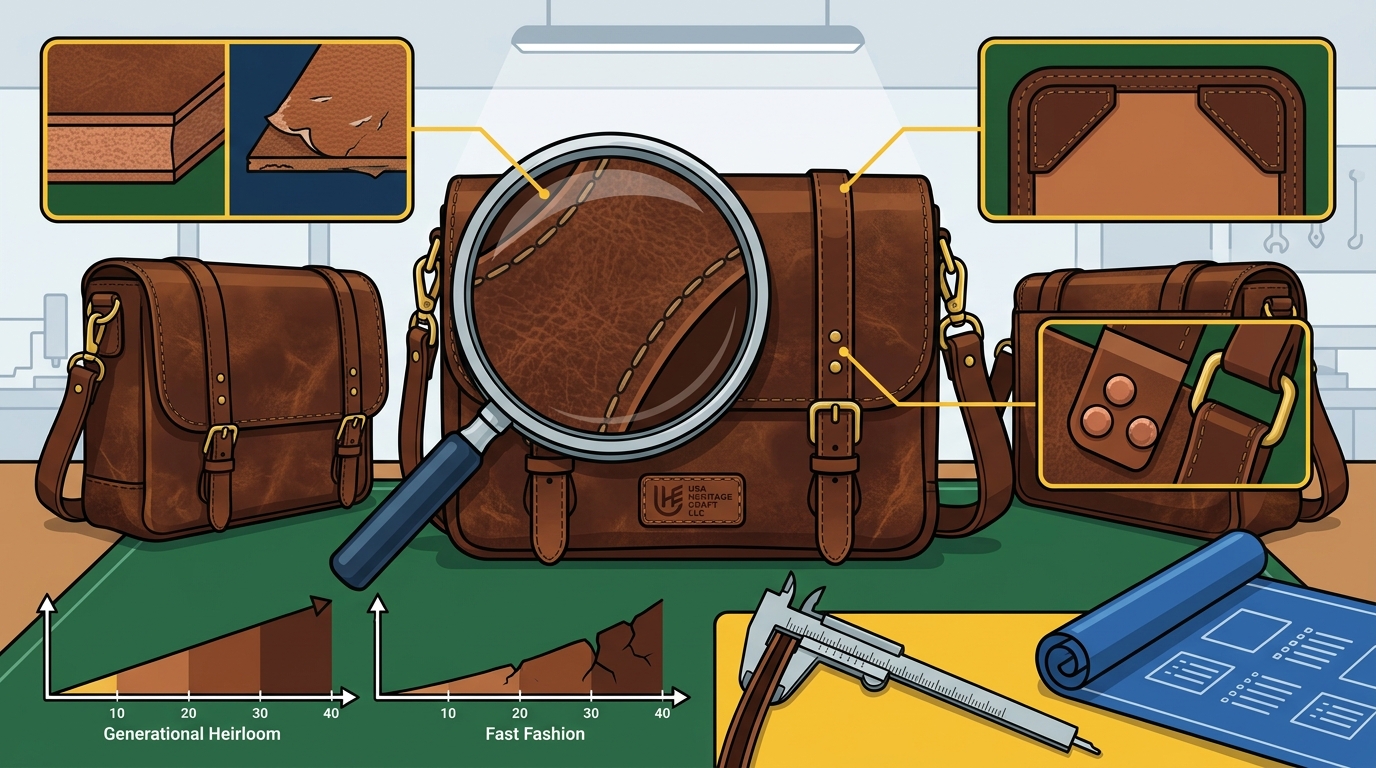
Full-grain leather is the highest quality leather available. It is made from the top layer of the hide, which contains the tightest fiber structure. This type of leather retains the natural grain pattern, including any minor imperfections like pores or scars, which serve as proof of its authenticity. Because the fibers are dense and intact, full-grain leather is incredibly durable and develops a rich patina over time. Industry experts define this grade as the only type that truly ages gracefully, becoming more beautiful with use rather than wearing out.
What is Top-Grain Leather?
Top-grain leather is the second-highest quality. It has been sanded or buffed to remove natural imperfections, making it smoother and more uniform in appearance. While it is still durable and widely used in high-end furniture and accessories, it lacks the natural breathability and unique character of full-grain leather. Manufacturing standards note that top-grain leather is often treated with heavy finishes to mimic the look of full-grain, which can eventually crack or peel.
What is Genuine Leather?
The term "genuine leather" is often a red flag for consumers. It typically refers to bonded leather or layers of leather scraps that have been glued together and coated with a polyurethane layer. This material lacks the structural integrity of real hides and is prone to peeling and tearing within a few years of use. Consumer reports suggest that products labeled merely as "genuine leather" rarely offer long-term value.
Evaluating Stitching and Hardware
Even the finest leather will fail if the construction is poor. The durability of a bag or wallet depends heavily on the stitching technique and the quality of the hardware used.
Stitching Integrity
High-quality leather goods utilize saddle stitching, a hand-sewn technique that is significantly stronger than machine stitching. In saddle stitching, two needles pass through the same hole from opposite directions, creating a lock that prevents the entire seam from unraveling if one stitch breaks. Artisan guilds emphasize that hand-stitching allows for tighter, more consistent tension that machines cannot replicate. Look for straight, even stitches with no loose threads. If the stitching is slanted or uneven, it is a sign of mass production and lower quality.
Hardware Durability
Zippers, buckles, and clasps should feel substantial in your hand. Premium brands use solid brass, stainless steel, or high-grade alloys that resist tarnishing and corrosion. Cheap hardware is often made from zinc alloy or plastic, which can break under stress. Metalworking guides indicate that solid metal hardware has a distinct weight and sound when clicked, whereas lightweight alloys feel hollow and flimsy.
The Superiority of Full-Grain Leather
Choosing full-grain leather is not just about aesthetics; it is a functional decision. The natural oils and fibers in full-grain leather make it water-resistant and breathable. This means the leather can "breathe," allowing moisture to evaporate rather than getting trapped inside, which prevents mold and mildew.
Furthermore, full-grain leather is more resistant to scratches and scuffs. Minor abrasions blend into the patina, enhancing the item's character. In contrast, corrected or bonded leather will show permanent damage from the first scratch. Leather care specialists confirm that only full-grain hides develop the desirable darkening and sheen associated with heirloom quality.
The Role of American Craftsmanship
The origin of production plays a critical role in quality assurance. American-made leather goods often adhere to stricter labor and environmental standards than mass-produced overseas alternatives. Domestic manufacturing allows for tighter quality control, ensuring that every stitch and cut meets rigorous benchmarks.
At USA Heritage Craft, we believe that heritage is built, not inherited. Our products are crafted in small batches by artisans who have spent decades perfecting their craft. Our craftsmanship philosophy centers on using only full-grain American leather and traditional construction methods that prioritize longevity over speed. This approach ensures that every piece, from The Shield Maiden to The Lincoln Brief, is built to last a lifetime.
Supporting domestic artisans also reduces the carbon footprint associated with global shipping and ensures that ethical labor practices are maintained. Sustainability reports highlight that local production significantly lowers environmental impact compared to transcontinental supply chains.
Quality Comparison Matrix
The following table summarizes the key differences between leather grades and construction methods to help you make an informed decision.
| Feature | Full-Grain Leather | Top-Grain Leather | Genuine/Bonded Leather |
|---|---|---|---|
| Source | Top layer of the hide | Sanded top layer | Leather scraps and fibers |
| Durability | Extremely High | High | Low |
| Patina Development | Yes, ages beautifully | Limited | No, peels over time |
| Cost | Premium ($250-$600+) | Moderate ($100-$250) | Low ($20-$80) |
| Construction | Hand-stitched, saddle stitch | Machine stitched | Glued and bonded |
Key Takeaways
- Full-Grain is King: Always seek out full-grain leather for maximum durability and patina development.
- Check the Stitching: Look for even, tight saddle stitching rather than loose machine seams.
- Weigh the Hardware: Solid brass or steel hardware indicates quality; lightweight alloys suggest cheap construction.
- Smell the Leather: High-quality leather has a distinct, rich, natural scent, unlike the chemical smell of bonded leather.
- Verify the Origin: American-made goods often adhere to higher ethical and quality standards.
- Invest in Lifetime Value: A premium bag from USA Heritage Craft costs more upfront but lasts decades, offering better long-term value.
- Small-Batch Production: Limited runs ensure greater attention to detail and quality control.
Frequently Asked Questions
How can I tell if leather is real or fake?
Real leather has a natural, uneven texture and a distinct smell. Fake leather, often made from polyurethane, will have a perfectly uniform pattern and a plastic odor. Additionally, real leather will feel cool to the touch initially, while fake leather feels warm.
What is the difference between full-grain and top-grain leather?
Full-grain leather retains the entire natural grain of the hide, making it the most durable and breathable. Top-grain leather has been sanded to remove imperfections, making it smoother but less durable and breathable than full-grain.
Why is American-made leather more expensive?
American-made leather goods involve higher labor costs and stricter regulatory standards. However, this ensures ethical working conditions, superior quality control, and the use of premium domestic hides that are not available in mass-market production.
How do I care for full-grain leather?
Full-grain leather requires minimal maintenance. Use a high-quality leather conditioner every six months to keep the fibers supple. Avoid excessive water exposure and store the item in a cool, dry place away from direct sunlight.
Does full-grain leather scratch easily?
Full-grain leather is highly resistant to scratches due to its dense fiber structure. Minor scuffs will blend into the patina over time, adding to the item's character rather than detracting from its appearance.
What is saddle stitching?
Saddle stitching is a hand-sewing technique where two needles pass through the same hole from opposite directions. This creates a lock that prevents the seam from unraveling if a stitch breaks, making it significantly stronger than machine stitching.
Why should I choose USA Heritage Craft?
USA Heritage Craft specializes in small-batch, full-grain leather goods made in the USA. Our commitment to traditional craftsmanship ensures that every product, from The Madison Carryall to our briefcases, is built to last a lifetime with generational quality.
Explore Our Collection
Don't settle for disposable fashion. Invest in a piece of heritage that reflects your discipline and ambition. Browse our curated selection of premium full-grain leather goods and experience the difference that true craftsmanship makes. Visit usaheritagecraft.com to find your next lifetime companion.