
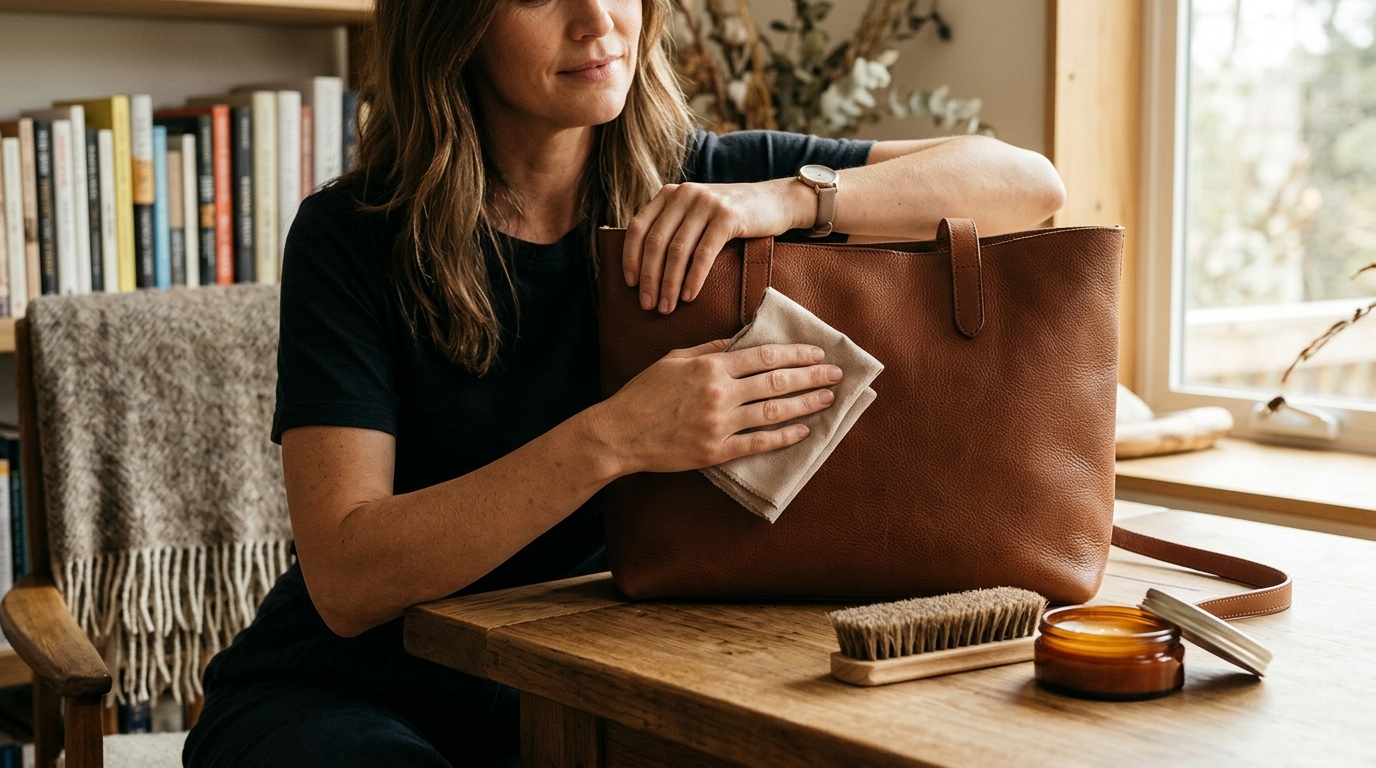
Full-grain leather is not merely a material; it is a living, breathing surface that evolves with every use. Unlike corrected or bonded leathers, which are heavily processed and coated, full-grain leather retains the natural grain and imperfections of the hide, making it both durable and responsive to environmental factors. According to the American Leather Chemists Association, proper conditioning can extend the lifespan of premium leather goods by up to 50%, transforming a simple accessory into a generational heirloom. This guide details the precise methodologies required to maintain the integrity, color, and suppleness of your investment.
Understanding Full-Grain Leather Characteristics
Full-grain leather is the highest quality leather available. It is made from the top layer of the hide, which is the strongest and most durable part of the animal skin. This type of leather is not sanded or buffed to remove natural imperfections, allowing the grain to remain intact. This natural grain is what gives full-grain leather its unique character and ability to develop a rich patina over time.
Full-grain leather is a premium material that retains the natural grain and imperfections of the hide, making it both durable and responsive to environmental factors. Because it is not altered chemically to remove the grain, it breathes better than corrected leather, allowing it to adapt to humidity and temperature changes without cracking. This breathability is critical for maintaining the structural integrity of bags like The Lincoln Brief or The Madison Carryall, which are designed to last decades rather than seasons.
Understanding the difference between full-grain and other leather types is essential for proper care. Corrected leather has been sanded and embossed to create a uniform surface, which seals the pores and prevents natural conditioning. Bonded leather is made from leftover scraps bonded together with latex, offering none of the longevity or aesthetic depth of full-grain. By choosing full-grain, you are investing in a material that improves with age, provided it receives consistent, appropriate care.
Essential Tools for Leather Maintenance
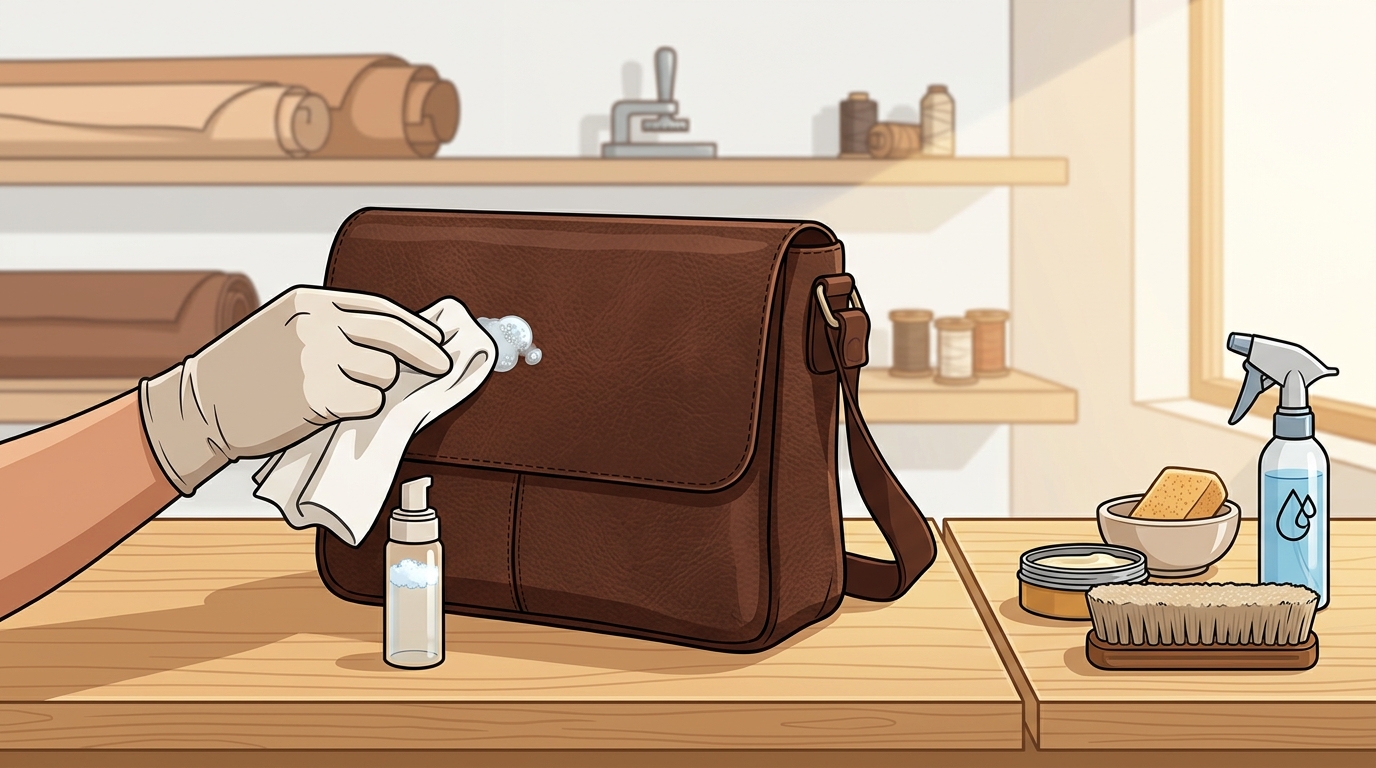
Maintaining full-grain leather requires a specific set of tools. Using the wrong products can strip natural oils, discolor the leather, or clog its pores. Here is the essential toolkit for any leather enthusiast.
1. High-Quality Leather Cleaner
A pH-balanced leather cleaner is the foundation of any maintenance routine. It removes surface dirt, oils, and grime without stripping the leather's natural fats. Avoid household cleaners, which often contain harsh chemicals that can damage the finish. For a gentle, effective clean, consider our Leather Care Collection, which is formulated specifically for full-grain hides.
2. Premium Leather Conditioner
Conditioner replenishes the natural oils that are lost through exposure to air, sun, and use. Look for conditioners containing beeswax, lanolin, or mink oil. These ingredients penetrate deep into the leather fibers, keeping them supple and preventing drying and cracking. Regular conditioning is the single most important factor in preserving the life of your bag.
3. Soft Bristle Brush and Microfiber Cloths
A soft-bristled brush is ideal for removing dried mud or embedded dirt from the grain. Always brush in the direction of the grain to avoid damaging the fibers. Microfiber cloths are essential for applying cleaner and conditioner evenly without leaving lint or scratches. Avoid paper towels, which can be abrasive and leave residue.
4. Leather Protectant
A water and stain repellent provides an additional layer of defense against the elements. This is particularly important for bags used in outdoor environments, such as the Shield Maiden concealed carry purse, which may be exposed to rain or humidity.
Step-by-Step Cleaning Process
Cleaning your full-grain leather bag should be done regularly, but not excessively. Over-cleaning can strip natural oils. Follow this protocol for a thorough yet gentle clean.
Step 1: Empty and Prepare
Remove all items from the bag, including pockets and compartments. Shake out any loose debris. Use a soft brush to gently remove surface dust and dirt from the exterior and interior. Pay attention to crevices and stitching, where dirt tends to accumulate.
Step 2: Apply Leather Cleaner
Apply a small amount of leather cleaner to a damp microfiber cloth. Do not spray cleaner directly onto the leather, as this can cause uneven saturation. Gently wipe the surface in circular motions, working in small sections. For stubborn stains, apply a bit more pressure, but never scrub aggressively.
Step 3: Wipe and Dry
Use a clean, dry microfiber cloth to wipe away the cleaner and dissolved dirt. Allow the bag to air dry completely before proceeding to conditioning. Never use heat sources like hair dryers or radiators to speed up the drying process, as heat can cause the leather to shrink and crack.
The Conditioning Protocol
Conditioning is the lifeblood of full-grain leather. It keeps the fibers flexible and prevents them from becoming brittle. The frequency of conditioning depends on usage and environment. For bags used daily, condition every three to four months. For occasional use, twice a year is sufficient.
How to Condition
Apply a small amount of conditioner to a clean cloth. Rub it into the leather using circular motions, ensuring even coverage. Pay extra attention to high-wear areas like straps, handles, and corners. Allow the conditioner to absorb for 15-20 minutes, then buff off any excess with a dry cloth. This buffing step is crucial for achieving a smooth, even finish.
Conditioning not only preserves the leather but also enhances its natural beauty. Over time, you will notice a rich, deep luster developing on your bag, a hallmark of well-maintained full-grain leather. This patina is unique to your bag and tells the story of its journey with you.
Stain Removal and Spot Treatment
Accidents happen. Knowing how to handle stains quickly can prevent permanent damage. Here are guidelines for common stains.
Water Stains
If your bag gets wet, blot the area immediately with a dry cloth. Do not rub. Allow it to air dry naturally. Once dry, condition the area to restore moisture. If water spots persist, a light buffing with a soft cloth may help blend them into the surrounding leather.
Oil and Grease Stains
Blot excess oil with a clean cloth. Sprinkle cornstarch or talcum powder on the stain and let it sit overnight to absorb the oil. Brush off the powder in the morning. If the stain remains, repeat the process. Avoid using water, as it can spread the oil.
Ink Stains
Ink stains are challenging. Dab the area with a cotton swab dipped in rubbing alcohol. Test on an inconspicuous area first to ensure it does not discolor the leather. Blot gently until the ink lifts. Condition the area afterward to prevent drying.
Storage and Long-Term Preservation
Proper storage is just as important as regular cleaning. How you store your bag when not in use can significantly impact its longevity.
Avoid Direct Sunlight
Prolonged exposure to UV rays can fade the color and dry out the leather. Store your bag in a cool, dark place. If you must display it, ensure it is away from direct sunlight.
Use Stuffing
To maintain the bag's shape, stuff it with acid-free tissue paper or a clean cotton pillowcase. Avoid using newspaper, as the ink can transfer to the leather. Stuffing prevents creases and sagging, especially in soft-structured bags like the Madison Carryall.
Breathable Storage
Store your bag in a breathable dust bag, preferably cotton. Avoid plastic bags, which can trap moisture and lead to mold or mildew growth. If the bag is made of ethically sourced materials, it is designed to age gracefully, but only if stored correctly.
Key Takeaways
- Full-grain leather is the highest quality leather, retaining the natural grain and imperfections for maximum durability and patina development.
- Condition regularly, every 3-4 months for daily use, to replenish natural oils and prevent cracking.
- Use pH-balanced cleaners and soft microfiber cloths to avoid damaging the leather's surface.
- Avoid heat and direct sunlight during drying and storage to prevent fading and shrinkage.
- Stuff bags with acid-free paper to maintain shape and prevent deep creases when not in use.
- Blot spills immediately and use appropriate spot treatments for oil and ink stains.
- Invest in quality care products like those in the Leather Care Collection to ensure long-term preservation.
Frequently Asked Questions
How often should I condition my full-grain leather bag?
For bags used daily, condition every three to four months. For occasional use, twice a year is sufficient. Always condition when the leather feels dry or stiff.
Can I use household cleaners on my leather bag?
No. Household cleaners often contain harsh chemicals that can strip natural oils and damage the finish. Use only products specifically designed for leather.
What should I do if my leather bag gets wet?
Blot the area immediately with a dry cloth. Allow it to air dry naturally away from heat sources. Condition the area once dry to restore moisture.
How do I remove oil stains from leather?
Blot excess oil and sprinkle cornstarch or talcum powder on the stain. Let it sit overnight to absorb the oil, then brush off the powder. Repeat if necessary.
Is it safe to store my leather bag in a plastic bag?
No. Plastic bags trap moisture, which can lead to mold and mildew. Store your bag in a breathable cotton dust bag instead.
Why does my leather bag develop a patina?
Patina is a natural result of full-grain leather aging. It is caused by exposure to light, oils, and handling, and it adds character and uniqueness to the bag.
Can I use a hair dryer to dry my wet leather bag?
No. Heat can cause the leather to shrink, crack, and become brittle. Always allow leather to air dry naturally.
Protect Your Investment
Your full-grain leather bag is more than an accessory; it is a testament to quality and craftsmanship. By following these care guidelines, you ensure that it remains a reliable and beautiful companion for years to come. Explore our Collections to find the perfect bag, and visit our Leather Care Collection for the tools you need to keep it in pristine condition. USA Heritage Craft is dedicated to providing generational quality backed by unmatched guarantees.