
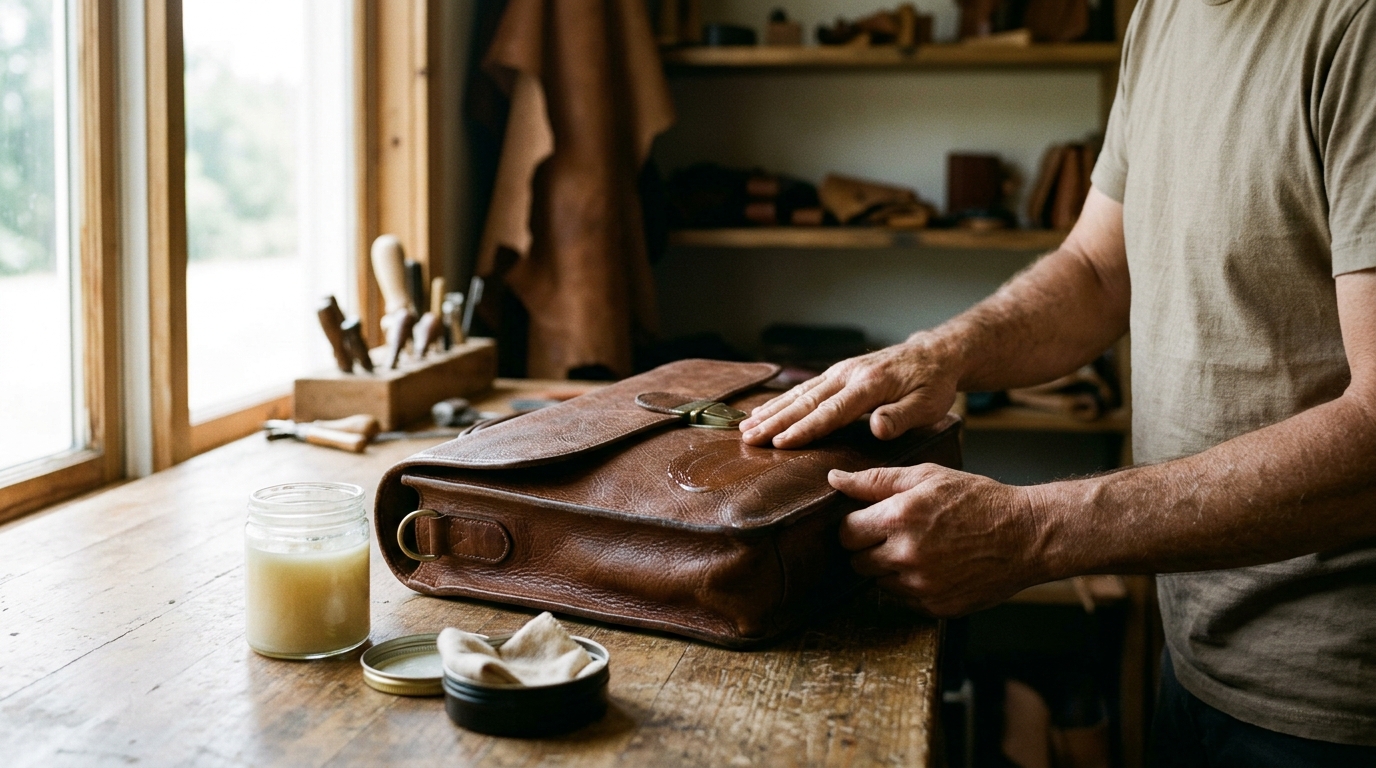
Condition your full-grain leather bag every 3 to 6 months for regular use, or every 6 to 12 months for light use. This frequency prevents the hide from drying out, cracking, or losing its natural oils. This schedule helps ensure your investment remains supple and visually striking for decades.
Why Conditioning Matters for Longevity
Full-grain leather is a natural material that breathes and changes over time. Unlike synthetic materials, it does not have a plastic coating to protect it from environmental factors. Leather naturally loses its internal oils over time, a process accelerated by heat, dry air, and friction. Without proper conditioning, the hide can dry out, become brittle, or develop cracks that compromise its structural integrity.
Conditioning replenishes these essential lipids, keeping the fibers supple and flexible. This process is not about making the bag look artificially shiny; it is about maintaining the material's health. When you condition the leather, you are essentially feeding the hide to ensure it remains strong. This proactive care is the primary reason why handcrafted pieces can last for generations rather than seasons.
Determining Frequency Based on Usage
The ideal conditioning schedule depends heavily on how often you use the bag and your local climate. For a daily driver used in an office or urban environment, a 3-month interval is often ideal. This ensures the leather remains hydrated despite constant handling and exposure to indoor heating or air conditioning. If you use the bag only on weekends or for occasional travel, a 6-month schedule is usually sufficient.
Climate plays a significant role in this calculation. In arid regions like the American Southwest, leather dries out faster, necessitating more frequent care. In humid climates, the leather retains moisture longer, allowing for slightly longer intervals between treatments. Always observe the surface of your bag. If the leather feels stiff to the touch or looks dull, it is time to condition it, regardless of the calendar.
Identifying Signs of Drying and Wear
Your bag will communicate its needs through visual and tactile cues. The most common sign of dry leather is a change in texture. The surface may feel rough or stiff instead of smooth and supple. You might also notice that the leather has lost its natural luster, appearing flat or chalky. These are early warnings that the internal oils have depleted.
More advanced signs include the appearance of fine cracks, particularly along stress points like handles or corners. If you see white residue or a powdery texture, the leather may be severely dehydrated. Addressing these issues promptly with a high-quality conditioner can often reverse the damage. Ignoring these signs can lead to permanent structural failure, which is why regular inspection is a critical part of leather care.
Best Practices for Application
Proper application is as important as frequency. Start by cleaning the bag with a dry, soft cloth to remove surface dust and dirt. Applying conditioner to a dirty surface can trap grime within the leather fibers, leading to stains. Once the surface is clean, apply a small amount of conditioner to a soft, lint-free cloth. Work the product into the leather using gentle, circular motions.
Less is more when it comes to conditioning. A thin, even coat is sufficient to replenish the oils. Excessive application can leave a greasy residue that attracts more dirt and may darken the leather unevenly. Allow the bag to air dry for 24 hours before using it. This drying period allows the conditioner to penetrate deeply into the hide, ensuring long-lasting protection. A wax-free formula is often recommended to condition without causing buildup or discoloration.
Common Mistakes to Avoid
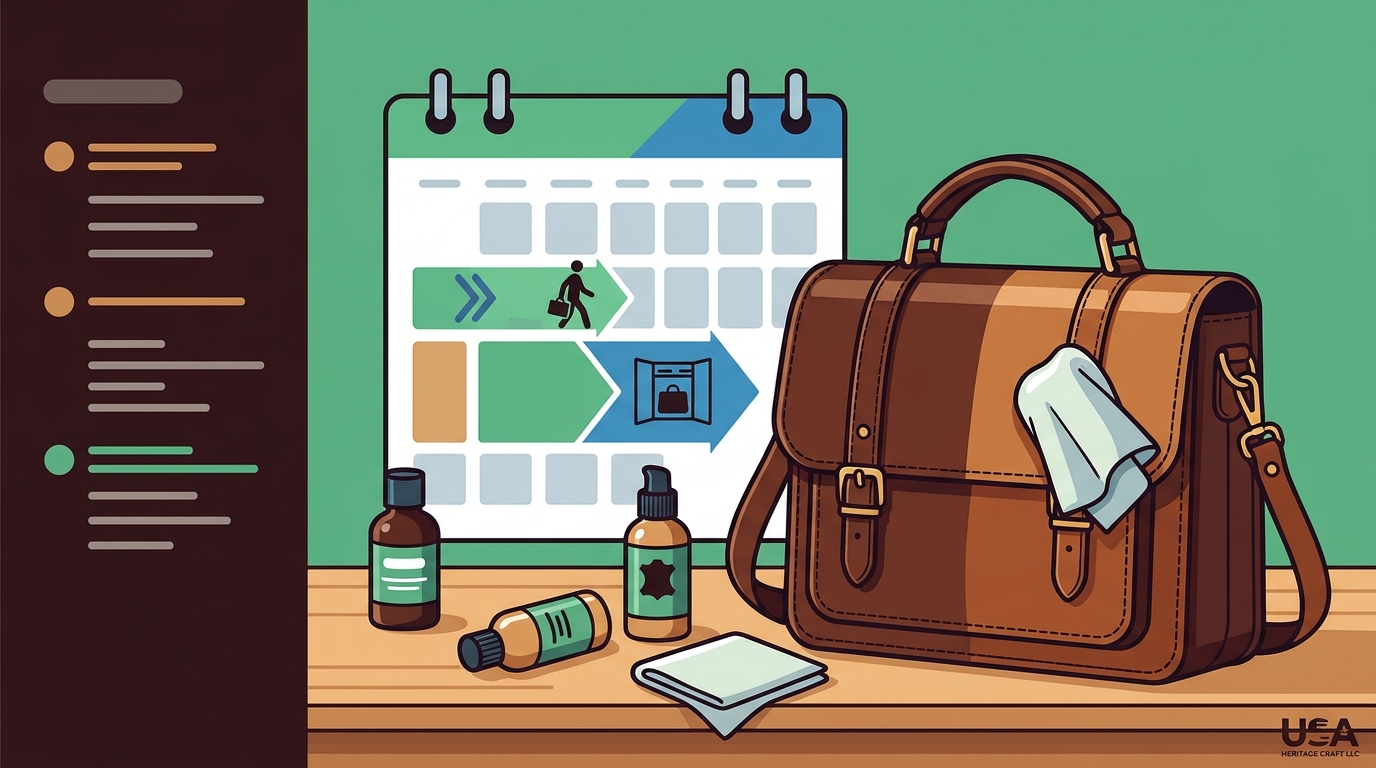
One of the most frequent errors is using the wrong type of conditioner. Avoid products containing waxes, silicones, or animal fats, as these can clog the pores of the leather or cause it to darken over time. A wax-free formula is ideal for full-grain leather because it allows the material to breathe naturally. Another mistake is conditioning too frequently. Over-conditioning can saturate the leather, making it soft and prone to stretching or losing its shape.
Additionally, never use harsh chemicals or household cleaners on your leather bag. These substances can strip the natural oils and damage the finish. Stick to products specifically designed for leather care. By avoiding these common pitfalls, you ensure that your conditioning routine enhances the bag's appearance and durability rather than degrading it. Consistency and the right products are the keys to maintaining a pristine look.
Key Takeaways
- Condition your full-grain leather bag every 3 to 6 months for regular use.
- Adjust the frequency based on your local climate and usage patterns.
- Look for stiffness, dullness, or fine cracks as signs that conditioning is needed.
- Always clean the bag before applying conditioner to avoid trapping dirt.
- Use a wax-free, silicone-free conditioner to prevent buildup and discoloration.
- Apply a thin, even coat and allow the bag to air dry for 24 hours.
- Consistent care ensures your leather bag ages gracefully and lasts for decades.
Frequently Asked Questions
What happens if I don't condition my leather bag?
If you neglect conditioning, the leather will dry out and lose its natural oils. This leads to stiffness, cracking, and a dull appearance. Over time, the structural integrity of the bag may be compromised, resulting in permanent damage.
Can I use any leather conditioner on my bag?
No, you should use a conditioner specifically designed for full-grain leather. Avoid products with waxes, silicones, or animal fats, as these can clog the leather's pores or cause discoloration. A wax-free formula is the safest choice for maintaining the natural look of the hide.
How long should I wait after conditioning before using the bag?
You should allow the bag to air dry for at least 24 hours after conditioning. This gives the conditioner time to penetrate deeply into the leather fibers. Using the bag too soon can wipe off the product or leave a greasy residue.
Does conditioning change the color of the leather?
High-quality, wax-free conditioners should not significantly change the color of the leather. However, some products may darken the hide slightly. It is always best to test the conditioner on a small, hidden area of the bag before applying it to the entire surface.
How do I clean my leather bag before conditioning?
Use a dry, soft cloth to wipe away dust and surface dirt. For deeper cleaning, use a damp cloth, but avoid soaking the leather. Ensure the bag is completely dry before applying any conditioner to prevent trapping moisture within the hide.
Is it better to condition too often or too rarely?
It is generally better to condition slightly too rarely than too often. Over-conditioning can saturate the leather, making it soft and prone to stretching. Under-conditioning can be corrected by applying a bit more product, but over-conditioning is harder to reverse.
Conclusion
Maintaining the beauty and durability of your full-grain leather bag requires consistent, informed care. By conditioning your bag every 3 to 6 months and using the right products, you ensure that it ages with character rather than wear. USA Heritage Craft is dedicated to helping you preserve the quality of your leather goods. Explore our Leather Care guide for more detailed instructions on maintaining your investment. Visit our Collections to find a bag that fits your lifestyle and commitment to quality.