
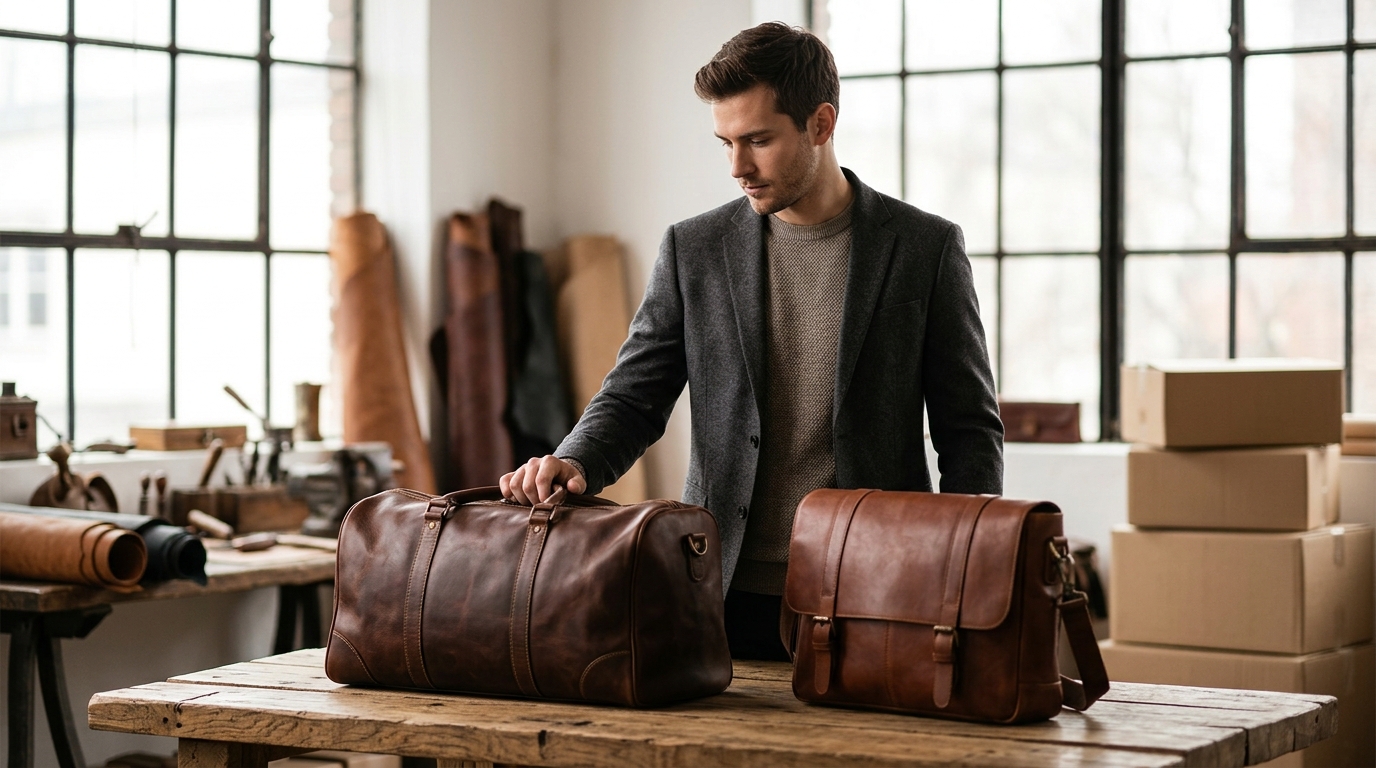
Investing in a high-quality leather bag is a significant financial decision that often exceeds $200. According to recent consumer spending reports on durable goods, the average American household allocates a substantial portion of its discretionary income toward long-lasting accessories, yet many buyers regret their initial purchases due to poor material selection. This article outlines the critical pitfalls to avoid when selecting your first premium leather bag, ensuring your investment aligns with both your professional needs and aesthetic preferences.
Mistake 1: Confusing "Genuine Leather" with Full-Grain Quality
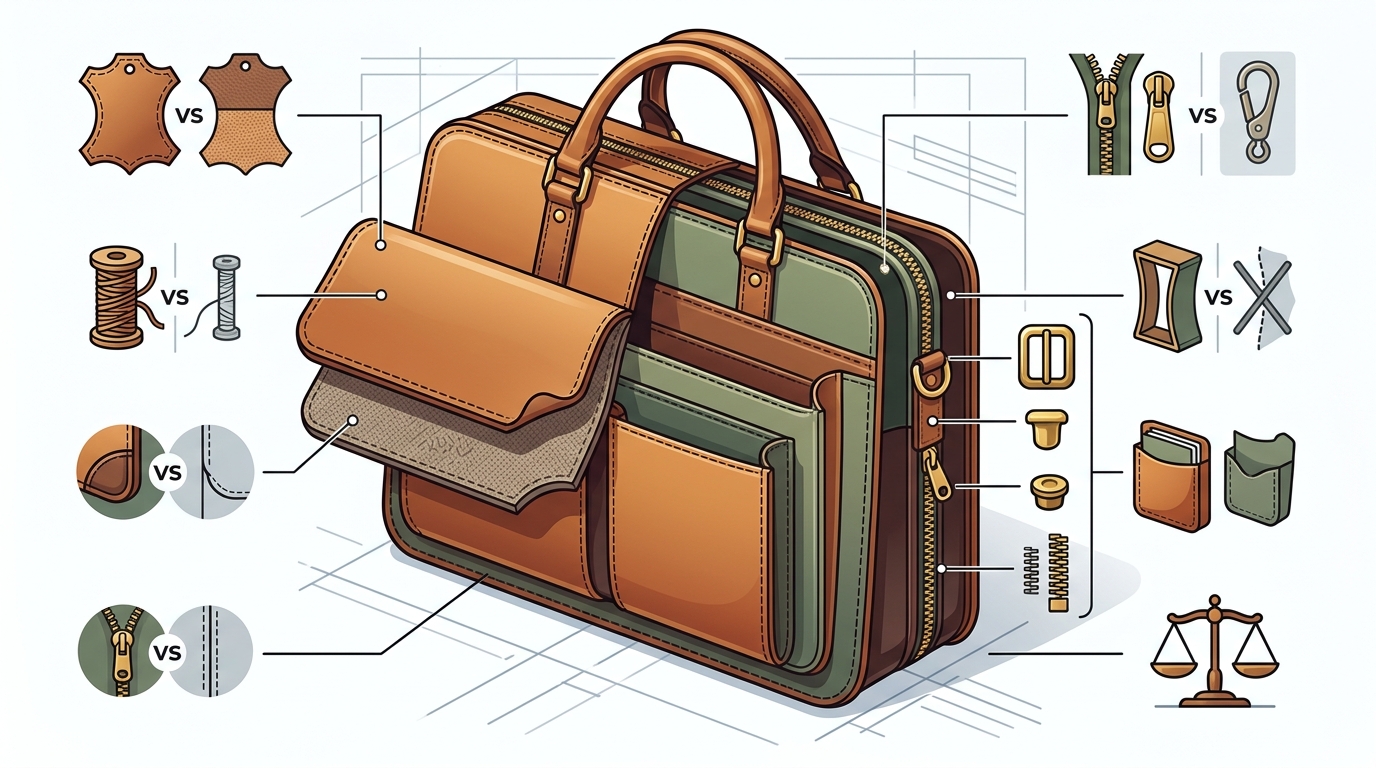
The most common error buyers make is misinterpreting leather terminology. "Genuine leather" is often a marketing term used for lower-grade, bonded, or heavily processed hides that lack durability. Full-grain leather is the highest quality leather available, retaining the natural grain and strength of the hide. It is the only type that develops a rich patina over time rather than peeling or cracking.
When shopping, look for explicit mentions of "full-grain" or "top-grain" leather. Brands like USA Heritage Craft prioritize full-grain hides sourced from cattle raised for meat production, ensuring ethical sourcing and superior durability. Avoid bags that do not specify the leather grade, as this is often a red flag for synthetic blends or low-quality processed materials.
Mistake 2: Ignoring the Hardware and Stitching Details
A premium bag is only as strong as its weakest component. Cheap zippers, rust-prone rivets, and loose stitching will fail long before the leather itself. High-end bags use machined brass or stainless steel hardware that feels substantial in the hand. Stitching should be even, tight, and typically done with waxed thread for water resistance.
Inspect the stress points where straps attach to the body. If the stitching looks loose or the leather is not reinforced, the bag will not withstand daily use. Our Craft page details how small-batch manufacturing allows artisans to inspect every stitch, ensuring that no bag leaves the workshop without meeting strict quality standards.
Overlooking the Importance of American Craftsmanship
While international manufacturing can offer lower prices, it often comes at the cost of quality control and ethical labor practices. American-made leather goods are renowned for their adherence to traditional construction methods that prioritize longevity over speed. Heritage is built through disciplined craftsmanship, not inherited through branding.
Supporting domestic artisans ensures that your purchase contributes to local economies and maintains high labor standards. USA Heritage Craft was founded on the belief that the things you carry should reflect the discipline it took to get where you are. Their bags are built in the USA by artisans who have spent decades perfecting their craft, offering a level of detail that mass-produced imports cannot match.
Choosing Style Over Structural Integrity
It is easy to be drawn to a bag's aesthetic appeal, but functionality must come first. A bag that looks great but lacks proper compartments, padded laptop sleeves, or ergonomic straps will become a burden rather than a tool. Consider your daily carry items and choose a shape that accommodates them without distorting the bag's structure.
For professionals, a briefcase or messenger bag should offer secure storage for technology and documents. The Lincoln Brief, for example, is designed to balance professional presence with practical utility, featuring robust construction that protects its contents while maintaining a sleek silhouette.
Neglecting the Leather Care and Maintenance Plan
Premium leather requires regular maintenance to retain its beauty and integrity. Many buyers assume that "premium" means "maintenance-free," which is a dangerous misconception. Leather is a natural material that needs conditioning to prevent drying and cracking.
Before purchasing, understand the care requirements for the specific type of leather. Leather Care guidelines typically recommend using a high-quality conditioner every six months and protecting the bag from excessive moisture. Investing in a bag without a care plan is like buying a car without oil changes; it will degrade prematurely.
Failing to Verify the Warranty and Guarantee Terms
A confident manufacturer stands behind their product with a robust warranty. If a company offers only a limited one-year warranty on a $500 bag, it suggests they do not expect the product to last. Look for brands that offer lifetime craftsmanship guarantees or long-term repair services.
The Heritage Craft Promise includes a lifetime guarantee where they fix or replace any defect. This level of assurance is rare in the industry and signals that the brand is committed to generational quality. Always read the fine print to understand what is covered, such as stitching, hardware, and leather integrity.
Buying Without Understanding the Patina Process
One of the most beautiful aspects of premium leather is its ability to develop a patina, a unique sheen and color change that occurs with age and use. However, some buyers mistake this natural aging process for damage or wear. Understanding patina is crucial for setting realistic expectations.
Full-grain leather will darken slightly and develop scratches that tell the story of your journey. This is not a flaw but a feature. Featured Collection items are designed to age beautifully, becoming more personal and distinctive over time. If you prefer a bag that looks exactly the same after ten years, leather may not be the right material for you.
Comparison of Leather Types and Durability
| Leather Type | Durability | Patina Development | Cost Range | Best For |
|---|---|---|---|---|
| Full-Grain | Excellent | Rich and Unique | $200 - $700+ | Long-term investment |
| Top-Grain | Very Good | Moderate | $150 - $400 | Professional use |
| Genuine Leather | Poor | Peeling/Cracking | $50 - $150 | Short-term fashion |
| Bonded Leather | Very Poor | None | $20 - $80 | Budget accessories |
Key Takeaways
- Material Matters: Always choose full-grain leather for maximum durability and patina potential.
- Craftsmanship Counts: American-made bags often offer superior quality control and ethical labor standards.
- Hardware Quality: Inspect zippers and stitching for signs of long-term reliability.
- Warranty Protection: Look for lifetime guarantees that cover craftsmanship defects.
- Maintenance is Key: Regular conditioning is required to preserve the leather's integrity.
- Brand Heritage: Companies with a long history, like those founded in the late 20th century, often have proven track records.
- Patina Acceptance: Embrace the natural aging process as a sign of quality, not wear.
Frequently Asked Questions
What is the difference between full-grain and top-grain leather?
Full-grain leather retains the original grain of the hide, making it the strongest and most durable. Top-grain leather has been sanded to remove imperfections, making it softer but slightly less durable than full-grain.
How long does a premium leather bag last?
With proper care, a full-grain leather bag can last decades. Many users report their bags looking better after 10 years than when they were new due to the development of a rich patina.
Is it worth paying more for American-made leather goods?
Yes, American-made bags often use higher-quality materials and labor-intensive construction methods that result in longer-lasting products. The initial cost is higher, but the cost per use over decades is often lower.
How do I clean a full-grain leather bag?
Use a soft, dry cloth to remove dust. For stains, use a leather-specific cleaner. Avoid water and harsh chemicals, which can damage the natural oils in the leather.
What is a lifetime craftsmanship guarantee?
A lifetime craftsmanship guarantee means the manufacturer will repair or replace the bag for any defects in materials or workmanship for the life of the product, regardless of how long you have owned it.
Can I use any leather conditioner?
No, you should use a conditioner specifically designed for the type of leather you have. Some conditioners can darken the leather or leave a residue, so it is best to use products recommended by the manufacturer.
Why do premium leather bags smell different?
Premium leather has a distinct, rich smell due to the natural tanning process and high-quality materials. This scent is often associated with luxury and authenticity, unlike the chemical smell of synthetic materials.
Start Your Journey with Quality
Choosing your first premium leather bag is a step towards investing in your professional image and personal style. By avoiding these seven common mistakes, you ensure that your purchase is a wise investment that will serve you well for years to come. Explore our collections to find a bag that reflects your ambition and values. Visit USA Heritage Craft today to discover the difference that true craftsmanship makes.