
How Full-Grain Leather Develops a Beautiful Patina Over Time
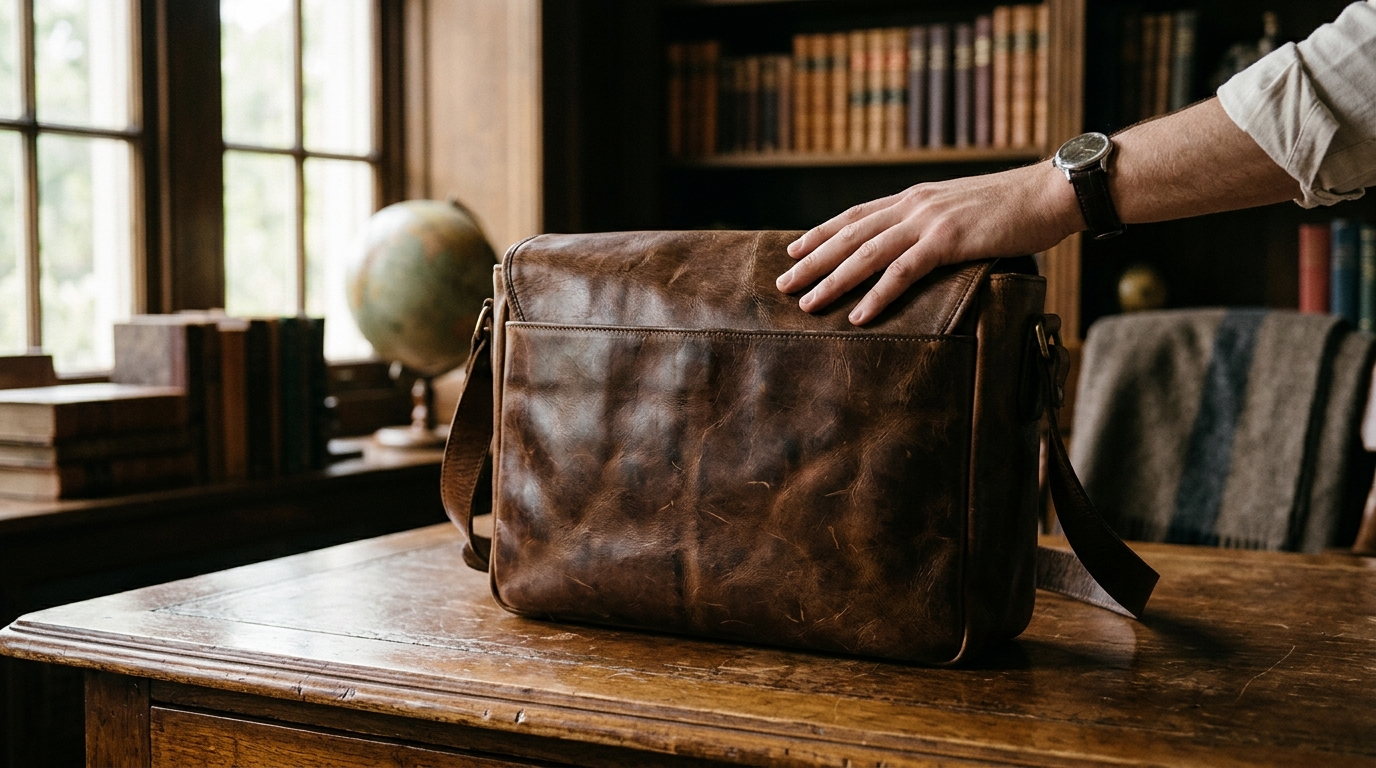
Full-grain leather develops a patina through natural oxidation and the absorption of environmental oils, creating a unique, darkened surface that improves with age. This process transforms the material from a rigid hide into a supple, character-rich accessory that reflects its history. USA Heritage Craft specializes in crafting bags from this premium material, ensuring that every piece evolves into a personal heirloom rather than a disposable item.
The Science of Oxidation
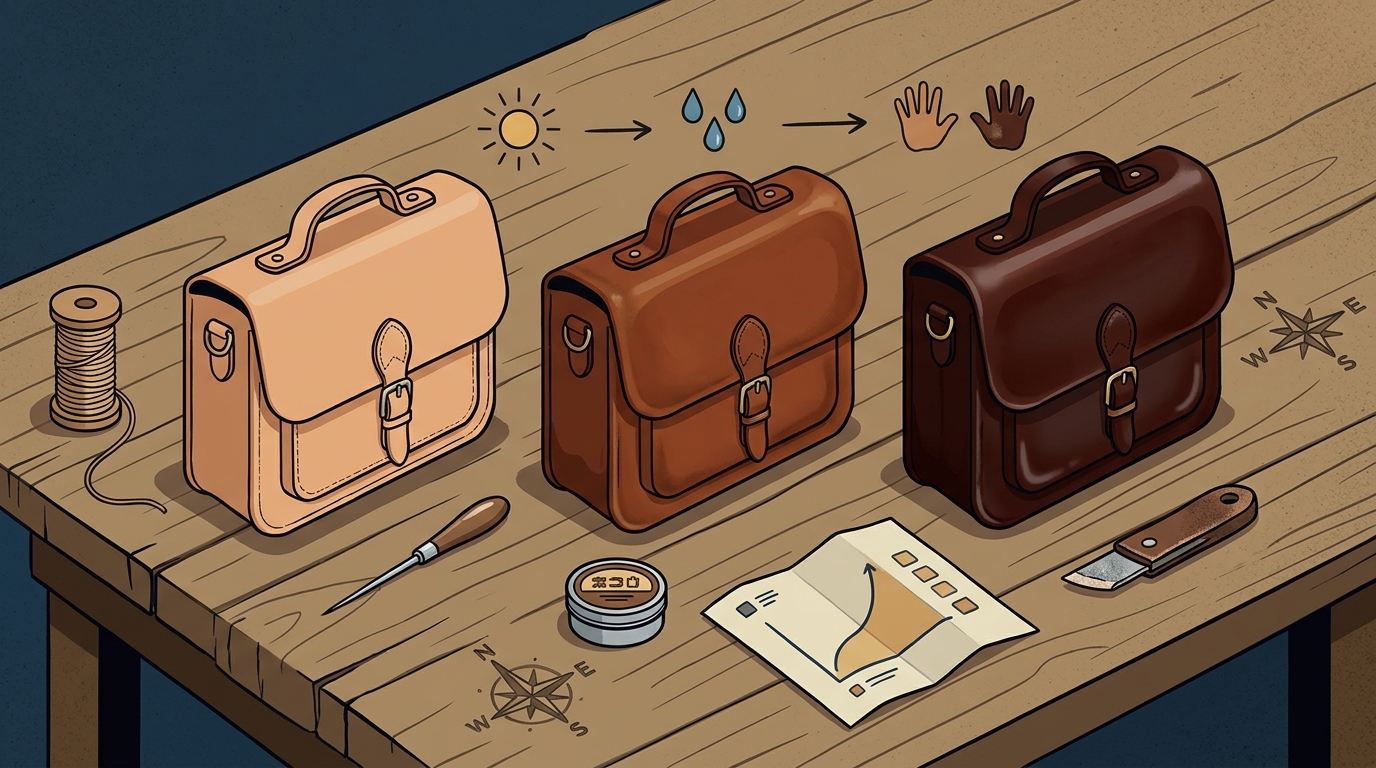
Patina formation is fundamentally a chemical reaction between the leather's natural tannins and oxygen in the air. When full-grain leather is exposed to the environment, the surface undergoes oxidation, which causes the material to darken and deepen in color. This is not a sign of damage but a natural aging process that enhances the aesthetic appeal of the hide.
The density of the grain layer plays a critical role in this reaction. Because full-grain leather retains the entire outer layer of the hide, it possesses a tight fiber structure that allows for a consistent and even oxidation process. This structural integrity ensures that the color change is uniform, avoiding the patchy or uneven aging often seen in lower-grade leathers that have been sanded or buffed.
For professionals who carry their bags daily, this chemical shift is visible within the first few months of use. The initial stiffness of the leather gives way to a softer, more pliable texture as the fibers relax and the surface darkens. This transformation is a key differentiator from synthetic materials, which degrade and crack rather than improve over time.
The Role of Natural Oils
Human interaction is the primary catalyst for a rich patina. As you use your bag, natural oils from your hands transfer to the leather surface. These oils penetrate the fibers, conditioning the material from the inside out and contributing to its deepening color. This biological interaction is what makes each patina unique to its owner.
Environmental factors also play a significant part in this process. Exposure to sunlight, humidity, and temperature changes affects how the leather absorbs and retains these oils. In drier climates, the leather may require more frequent conditioning to maintain its suppleness, while in humid environments, it may absorb moisture more readily. Understanding your local climate helps you manage the aging process effectively.
USA Heritage Craft emphasizes the importance of this natural interaction in their design philosophy. By using full-grain distressed cowhide, they ensure that the leather is ready to accept these natural elements. The result is a bag that looks better with age, telling the story of its use through subtle changes in texture and tone.
Distressed vs. Smooth Finishes
The initial finish of the leather significantly influences how the patina develops. Distressed leather, which features a pre-aged texture, tends to show patina more dramatically. The existing creases and texture variations catch light differently, making the darkening effect more pronounced and visually interesting. This finish is ideal for those who want a bold, character-rich look.
Smooth full-grain leather, on the other hand, develops a more subtle and uniform patina. The lack of pre-existing texture allows the color change to be the primary visual indicator of aging. This finish is often preferred by professionals who want a cleaner, more minimalist aesthetic that still evolves over time. Both finishes offer distinct advantages depending on personal style and usage patterns.
When selecting a bag, consider how you want your patina to appear. If you prefer a rugged, lived-in look, a distressed finish like the one found in the Pioneer Pack is an excellent choice. If you prefer a refined, professional appearance, a smooth finish may be more suitable. The choice between these finishes is a personal one that reflects your individual style and how you wish your bag to age.
Maintenance and Care
Proper care is essential for developing a healthy patina. Regular conditioning helps maintain the leather's natural oils, preventing it from drying out or cracking. Using a high-quality conditioner, such as the Apple Leather Care recommended by USA Heritage Craft, ensures that the leather remains supple and protected. This routine care supports the natural aging process without interfering with the unique patina formation.
It is important to avoid harsh chemicals or synthetic conditioners that can create a barrier on the leather's surface. These products can prevent the natural oils from penetrating the fibers, resulting in a dull, lifeless appearance. Instead, opt for natural, wax-free conditioners that allow the leather to breathe and age naturally. This approach ensures that your bag develops a rich, deep patina over time.
For more detailed guidance on maintaining your leather goods, refer to the Leather Care section on the USA Heritage Craft website. This resource provides specific instructions on how to condition and protect your bag, ensuring that it remains in excellent condition for decades. Proper care is an investment in the longevity and beauty of your leather goods.
Long-Term Value and Heirloom Quality
The development of a patina adds significant value to full-grain leather goods. Unlike mass-produced items that depreciate in value over time, handcrafted leather bags appreciate in both aesthetic and sentimental value. The unique patina makes each bag one-of-a-kind, reflecting the owner's history and style. This appreciation in value is a key benefit of investing in high-quality leather goods.
From a sustainability perspective, the longevity of full-grain leather is a major advantage. A well-crafted bag can last for generations, reducing the need for frequent replacements and minimizing waste. This durability stands in stark contrast to fast-fashion items that are designed for planned obsolescence. By choosing a bag that ages gracefully, you are making a sustainable choice that benefits both you and the environment.
Key Takeaways
- Patina is a natural chemical reaction involving oxidation and the absorption of natural oils.
- Full-grain leather's dense fiber structure ensures a consistent and even aging process.
- Human interaction and environmental factors play a crucial role in developing a unique patina.
- Distressed finishes show patina more dramatically, while smooth finishes offer a subtle, uniform change.
- Regular conditioning with natural products is essential for maintaining a healthy patina.
- Full-grain leather goods appreciate in value and offer long-term sustainability benefits.
- Choosing a high-quality bag from a reputable brand ensures a beautiful and lasting patina.
Frequently Asked Questions
How long does it take for full-grain leather to develop a patina?
It typically takes several months to a few years for a noticeable patina to develop. The exact timeline depends on factors such as usage frequency, environmental conditions, and the type of leather finish. Daily use accelerates the process, while occasional use may result in a slower, more subtle change.
Can I speed up the patina development process?
While you cannot artificially force a natural patina, you can encourage it by using your bag regularly and exposing it to natural light. Avoiding harsh chemicals and using natural conditioners helps the leather age gracefully. Patience is key, as the most beautiful patinas develop over time.
Does patina mean the leather is damaged?
No, patina is not a sign of damage. It is a natural aging process that enhances the leather's appearance. The darkening and softening of the material are indicators of quality and longevity, not deterioration. A well-developed patina is a mark of a well-used and well-cared-for piece.
What is the difference between patina and wear?
Patina is a desirable, aesthetic change that improves the leather's appearance over time. Wear, on the other hand, refers to physical damage such as cracks, tears, or fraying. While some minor wear is inevitable, a healthy patina should not involve structural damage. Proper care helps distinguish between the two.
Can I reverse a patina once it has developed?
It is not possible to fully reverse a patina once it has formed. The chemical changes in the leather are permanent. However, you can manage the appearance by using conditioners and protectants. If you prefer a lighter look, you can use a leather cleaner to remove surface oils, but the underlying color change will remain.
Is patina more common in certain types of leather?
Patina is most prominent in full-grain and top-grain leathers. These grades retain the natural structure of the hide, allowing for a rich and even aging process. Lower-grade leathers, such as bonded or corrected-grain, may not develop a patina as effectively due to their altered surface structure.
Conclusion
Full-grain leather develops a beautiful patina through a natural process of oxidation and oil absorption, creating a unique and valuable accessory that improves with age. By understanding the science behind this transformation and practicing proper care, you can ensure that your bag evolves into a timeless heirloom. USA Heritage Craft is dedicated to providing high-quality, handcrafted leather goods that embody this philosophy of heritage and modern ambition. To explore our collection of full-grain leather bags, visit the USA Heritage Craft Collections page today.