
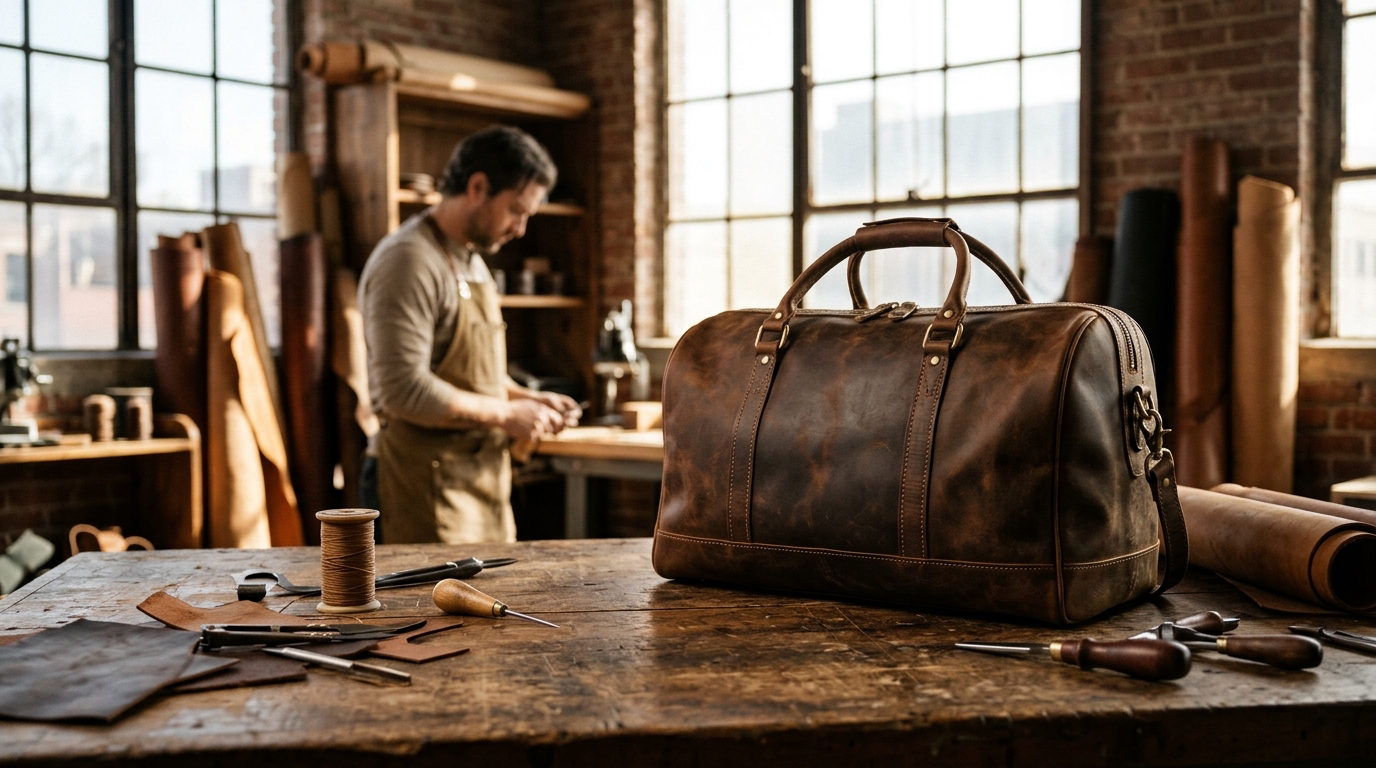
A lifetime warranty on a full-grain leather bag typically covers manufacturing defects in materials and workmanship for the duration of the product's useful life. It does not cover normal wear and tear, accidental damage, or neglect. In quality leather goods, this means a bag is protected against structural failures like stitching or hardware issues, helping ensure it remains a functional companion over the long term.
Defining the Scope of a Lifetime Warranty
Understanding the boundaries of a warranty is the first step in evaluating a purchase. A lifetime warranty is a guarantee that the manufacturer will repair or replace a product if it fails due to defects in materials or workmanship. This definition is critical because it distinguishes between a promise of durability and a promise of immortality. In the context of leather goods, the "lifetime" is generally tied to the original owner or the functional lifespan of the item, not an infinite period of time.
For high-quality leather bags, the warranty period is effectively the time it takes for the materials to degrade beyond repair. Full-grain leather is the top layer of the hide, retaining its natural grain and strength. Because this material is dense and durable, a bag made from it can last for decades. The warranty supports this longevity by backing the construction quality. If a seam splits or a handle detaches due to poor stitching, the warranty covers the repair. This shifts the risk from the consumer to the manufacturer, signaling confidence in the craftsmanship.
What Is Actually Covered Under the Warranty
Manufacturers define coverage specifically to protect their investment in quality. Most lifetime warranties for leather bags cover defects in materials and workmanship. This includes issues such as stitching that unravels, zippers that jam or break, and hardware that corrodes or snaps. These are signs that the bag was not built to standard. When these failures occur, the manufacturer is responsible for fixing them at no cost to the customer.
It is equally important to understand what is excluded. Normal wear and tear is never covered. This includes scratches, scuffs, and the natural softening of leather over time. Accidental damage, such as dropping the bag or spilling liquids on it, is also excluded. Neglect, such as failing to condition the leather, can lead to cracking, which is not a manufacturing defect. By clearly defining these exclusions, leather goods companies set realistic expectations. The warranty is a safety net for construction errors, not a comprehensive insurance policy against all forms of damage.
How Long Does the Warranty Last in Practice
The term "lifetime" can be ambiguous, but in the leather industry, it usually refers to the useful life of the product. For a well-made full-grain leather bag, this can span several decades. The warranty remains active as long as the bag is in service and the original owner retains it. If the bag is sold or given away, the warranty typically does not transfer. This ensures that the guarantee is tied to the individual who made the investment in quality.
Maintenance and Its Impact on Warranty Validity
Proper care is essential to maintaining the validity of a lifetime warranty. While the warranty covers manufacturing defects, it does not cover damage resulting from neglect. Full-grain leather requires periodic conditioning to prevent it from drying out and cracking. Using the wrong products, such as those containing wax or animal fats, can damage the leather and void the warranty. Makers generally recommend using specific conditioners that are safe for full-grain hides. This ensures that the leather remains supple and protected, preserving both its appearance and its structural integrity.
Regular maintenance also helps identify potential issues early. If you notice a loose stitch or a scratch that is deepening, addressing it promptly can prevent further damage. This proactive approach not only extends the life of the bag but also ensures that any issues are covered under the warranty if they are related to manufacturing. By treating the bag with care, you honor the craftsmanship that went into its creation. This partnership between the maker and the user is what makes a lifetime warranty meaningful.
Key Takeaways
- A lifetime warranty covers manufacturing defects in materials and workmanship, not normal wear and tear.
- The warranty is typically tied to the original owner and the functional lifespan of the bag.
- Full-grain leather is durable and can last for decades, supported by the warranty's coverage of structural failures.
- Exclusions include accidental damage, neglect, and the natural aging process of the leather.
- Proper maintenance, including regular conditioning, is essential to maintaining warranty validity.
- Reputable leather goods makers use warranties to signal confidence in their craftsmanship and quality.
Frequently Asked Questions
Does a lifetime warranty mean the bag will never break?
No, a lifetime warranty does not mean the bag will never break. It means that if the bag breaks due to a manufacturing defect, the manufacturer will repair or replace it. Normal wear and tear, accidental damage, and neglect are not covered. The warranty is a guarantee of quality, not a promise of invincibility.
What happens if I sell my bag?
If you sell or give away your bag, the lifetime warranty typically does not transfer to the new owner. The warranty is tied to the original purchaser. This ensures that the guarantee is linked to the individual who invested in the quality of the product.
Is conditioning required to keep the warranty valid?
While conditioning is not always explicitly required to keep the warranty valid, neglecting to care for the leather can lead to damage that is not covered. Using appropriate conditioners helps maintain the leather's integrity and prevents issues that could be mistaken for manufacturing defects.
How long does the warranty last?
The warranty lasts for the useful life of the product. For a high-quality full-grain leather bag, this can be several decades. The warranty remains active as long as the bag is in service and owned by the original purchaser.
What is considered a manufacturing defect?
A manufacturing defect is a flaw in the materials or workmanship that causes the product to fail. Examples include stitching that unravels, zippers that break, and hardware that corrodes. These are issues that should not occur in a properly made product.
Conclusion
A lifetime warranty on a full-grain leather bag is a powerful indicator of quality and craftsmanship. It covers manufacturing defects in materials and workmanship, ensuring that your investment is protected for the duration of the bag's useful life. By understanding the scope of the warranty and maintaining your bag properly, you can enjoy a durable and stylish companion for decades.
Explore the collections to find a bag that fits your style and needs. For more information on how to care for your leather goods, visit our leather care guide. Learn more about our commitment to craftsmanship on our about our craft page. If you have questions about a specific product, contact our team for personalized assistance.