
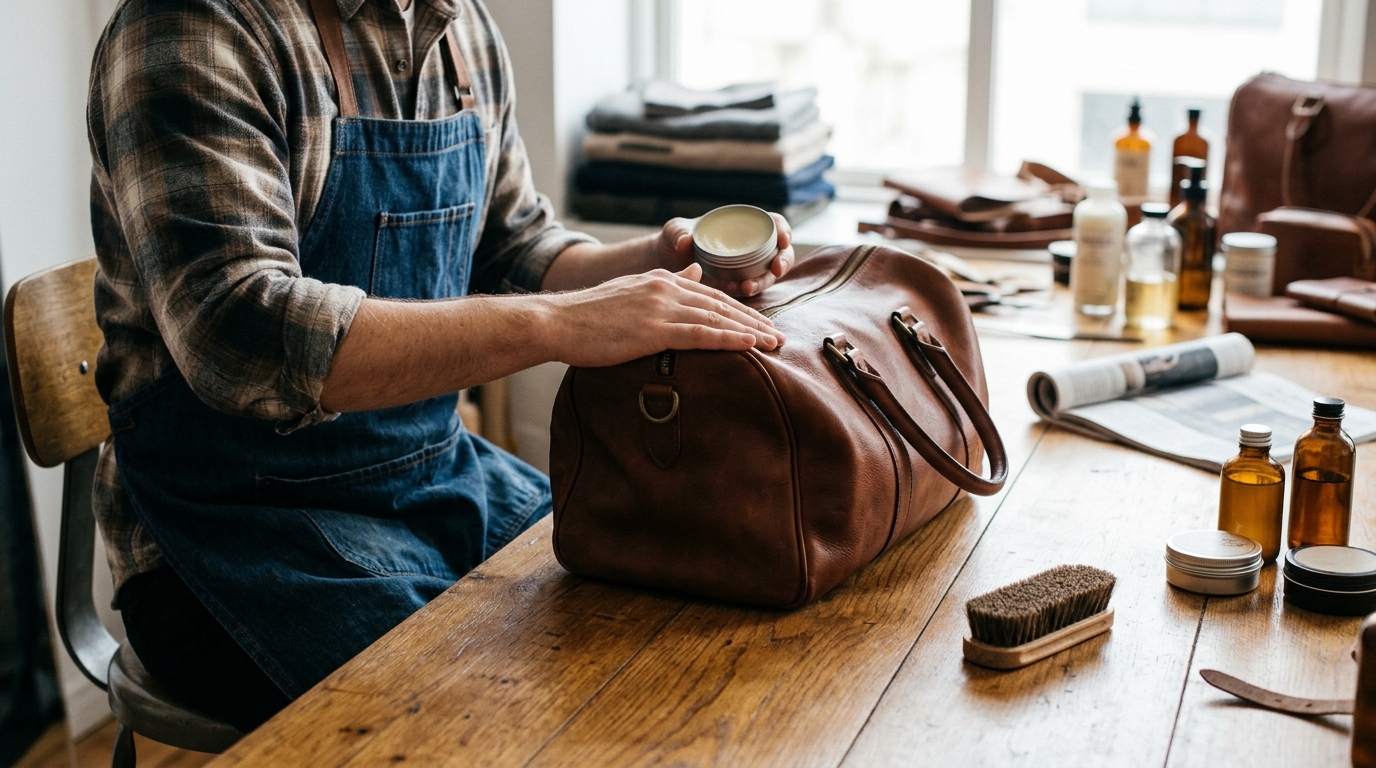
Investing in premium leather goods is a commitment to longevity, but maintaining that investment requires the right tools and knowledge. According to industry data, proper conditioning can extend the lifespan of full-grain leather goods by up to 50%, preventing the irreversible cracking that plagues neglected hides. This guide breaks down the essential leather care products for beginners, ensuring your USA Heritage Craft pieces remain heirloom-quality for decades.
Understanding Leather Types
Before purchasing any care products, you must understand the material you are maintaining. Full-grain leather is the highest quality leather available, retaining the natural grain and imperfections of the hide. This type of leather is breathable, durable, and develops a rich patina over time. In contrast, bonded leather is made from scraps glued together and offers no long-term value. (About ndash USA Heritage)
USA Heritage Craft exclusively uses full-grain American leather. This means your products are designed to age beautifully, not wear out. However, this durability comes with a requirement: the leather needs nourishment. Without regular care, the natural oils in the hide evaporate, leading to dryness and eventual cracking. Understanding this biological process is the first step in effective maintenance.
The Essential Beginner's Care Kit
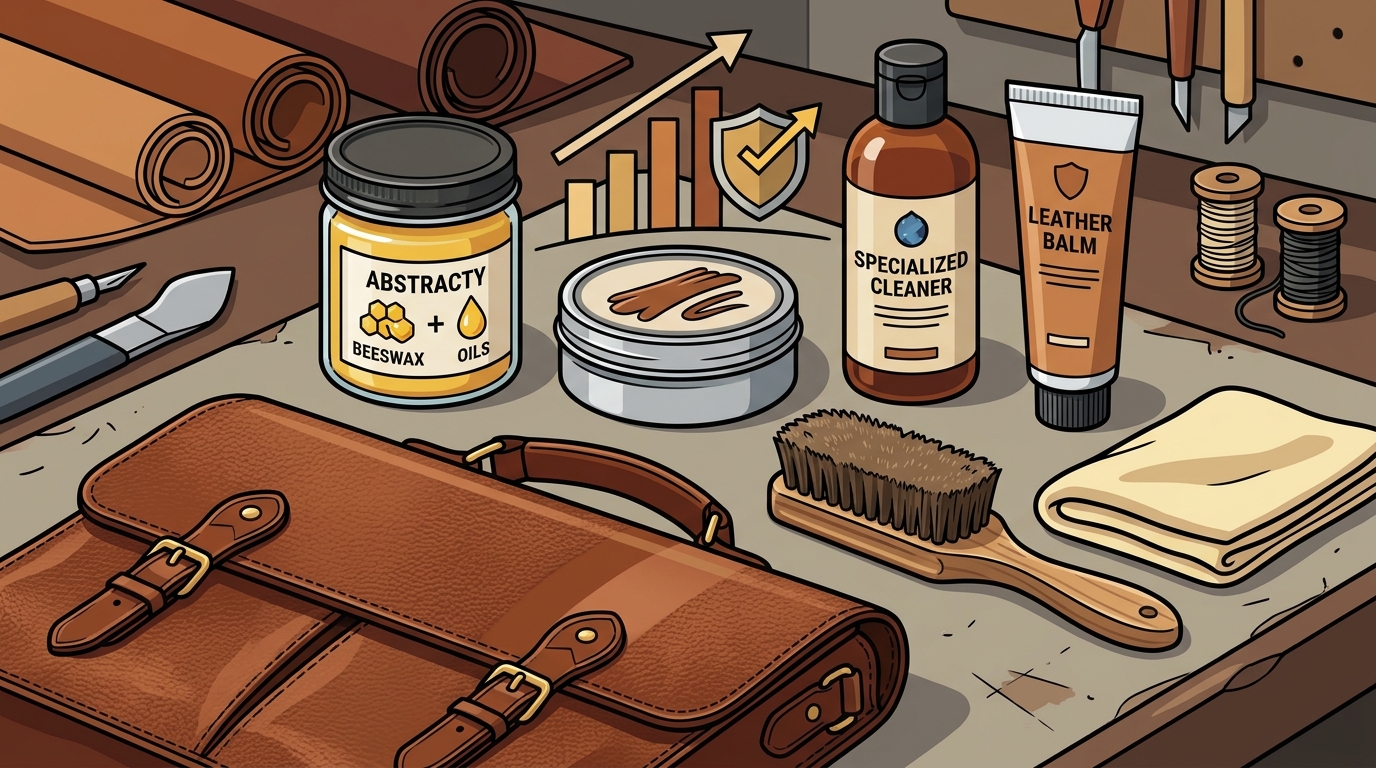
You do not need a complex arsenal of chemicals to maintain your leather goods. A simple, high-quality kit is sufficient for 95% of maintenance needs. Here are the core components every beginner should own.
1. High-Quality Leather Cleaner
Leather cleaner is not soap. It is a specialized formulation designed to lift dirt and grime from the pores of the hide without stripping its natural oils. Using household cleaners can damage the finish and alter the color. A pH-balanced leather cleaner ensures that the integrity of the leather remains intact while removing surface contaminants.
2. Nourishing Leather Conditioner
Conditioner is the most critical product in your kit. Leather conditioner is a moisturizing agent that replenishes the natural fats and oils lost through exposure to air and sunlight. Look for conditioners containing beeswax, lanolin, or mink oil. These ingredients penetrate deep into the fibers, keeping the leather supple and resistant to water damage.
3. Soft Microfiber Cloths
Abrasive materials can scratch the delicate surface of premium leather. Use only soft, lint-free microfiber cloths for application and buffing. These cloths trap dust effectively and provide a smooth surface for even product distribution. Avoid paper towels, which can leave behind fibers and cause micro-scratches.
4. Leather Protectant (Optional)
For those in harsh climates, a leather protectant adds an invisible barrier against water and UV rays. This is particularly important for bags and footwear that see frequent outdoor use. However, for indoor office use, a high-quality conditioner is often sufficient.
Proper Application Techniques
Having the right products is only half the battle. The method of application determines the success of your maintenance routine. Incorrect application can lead to sticky residues, discoloration, or uneven aging.
Step 1: Clean First
Always start with a clean surface. Apply your leather cleaner to a microfiber cloth, not directly to the bag. Gently wipe the leather in circular motions, focusing on stained or heavily soiled areas. Allow the leather to dry completely before proceeding. This usually takes 15 to 20 minutes.
Step 2: Condition Evenly
Apply a small amount of conditioner to a clean cloth. Use gentle, circular motions to work the product into the leather. Pay special attention to high-stress areas like strap attachments and corners, which are prone to drying out first. Avoid over-saturating the leather, as this can lead to dark spots.
Step 3: Buff and Dry
After application, let the conditioner absorb for the time specified on the product label, typically 30 minutes to an hour. Then, use a dry, clean microfiber cloth to buff the surface. This removes excess product and brings out a subtle, healthy sheen. Never rush this step, as buffing ensures a smooth, professional finish.
Product Comparison Guide
Choosing the right products can be overwhelming. The table below compares common leather care product types to help you make an informed decision.
| Product Type | Primary Function | Best For | Frequency of Use |
|---|---|---|---|
| Leather Cleaner | Removes dirt and grime | Regular maintenance | Every 3-6 months |
| Leather Conditioner | Moisturizes and softens | Preventing cracks | Every 6-12 months |
| Leather Wax | Waterproofing and shine | Boots and outdoor gear | As needed |
| Leather Dye | Color restoration | Scratches and fading | Only when damaged |
Key Takeaways
- Full-grain leather is superior because it retains the hide's natural strength and develops a unique patina over time.
- Conditioning is non-negotiable for preserving the structural integrity of your USA Heritage Craft bags.
- Always clean before conditioning to prevent trapping dirt beneath the moisturizing layer.
- Use microfiber cloths to avoid scratching the delicate surface of premium leather.
- Store bags properly in dust bags when not in use to minimize the need for frequent cleaning.
- USA Heritage Craft products are built to last decades with minimal, consistent care.
- Avoid harsh chemicals like bleach or ammonia, which can permanently damage leather fibers.
Frequently Asked Questions
How often should I condition my leather bag?
For regular use, conditioning every six to twelve months is sufficient. If the bag is exposed to harsh weather or heavy use, increase the frequency to every three months.
Can I use baby oil or coconut oil on my leather?
No. Household oils can go rancid, attract dust, and permanently stain leather. Always use products specifically formulated for leather care.
What is the difference between leather cleaner and conditioner?
Leather cleaner removes dirt and grime, while conditioner replenishes the natural oils that keep the leather soft and flexible. Both are essential for a complete care routine.
How do I remove scratches from my leather bag?
Minor scratches can often be buffed out with a soft cloth. For deeper scratches, apply a small amount of leather conditioner or wax to the area and buff gently until the mark fades.
Is it safe to use leather care products on all leather types?
Most products are safe for full-grain and top-grain leather. However, always check the label for compatibility, especially for suede or nubuck, which require specialized cleaners.
Why does my leather bag smell like leather?
A natural leather scent is a sign of genuine, high-quality materials. If the smell becomes musty or unpleasant, it may indicate mold growth due to moisture, requiring immediate cleaning and drying.
Can I use a leather protector spray on my USA Heritage Craft bag?
Yes, a high-quality leather protector can add an extra layer of defense against water and stains. However, ensure it is compatible with full-grain leather to avoid altering the natural patina.
Shop Heritage Collections
Protect your investment with the right care products and experience the difference of true American craftsmanship. Explore our premium leather collections designed for professionals who value durability and style. Visit our About Our Craft page to learn more about our commitment to quality. For personalized advice, contact our team directly.